
Standard Deli Container Sizes
Deli containers come in standardized sizes measured by volume capacity, typically ranging from 8 ounces up to 64 ounces. The most common sizes include 8 oz (1 cup), 16 oz (pint), 32 oz (quart), and 64 oz (half gallon). These clear plastic containers with snap-on lids are workhorses in commercial kitchens for storing ingredients, prepping meals, and packaging takeout orders. Smaller 4 oz and 6 oz containers are ideal for sides, sauces, and condiments, while larger 128 oz containers handle bulk storage needs.
Beyond volume capacity, deli containers are designed with stackability in mind. Their uniform shape allows for efficient storage, whether in refrigerators, on shelving units, or during transport. Many operations standardize on one or two sizes to simplify inventory management. The 32 oz quart container is particularly versatile, suitable for everything from soup portions to ingredient prep. For operations handling both retail and foodservice, having a range of sizes ensures proper portioning for different customer needs.
Choosing the Right Size
Selecting appropriate container sizes involves considering food type, portion requirements, and storage space. Wet foods like soups and stews need headspace to prevent spills, while dry goods can fill containers more completely. High-moisture foods benefit from vented lids in appropriate sizes to maintain freshness. Many operations use color-coded lids across sizes to quickly identify contents or distinguish between different preparation dates.
For retail applications, container size directly impacts perceived value and influences purchasing decisions. Clear containers allow product visibility, making size selection crucial for presentation. Some operations use slightly larger containers than the actual portion requires to create an impression of abundance, while others prioritize precise portion control with perfectly filled containers. The right balance depends on your menu, pricing strategy, and customer expectations.
Material Considerations for Deli Containers
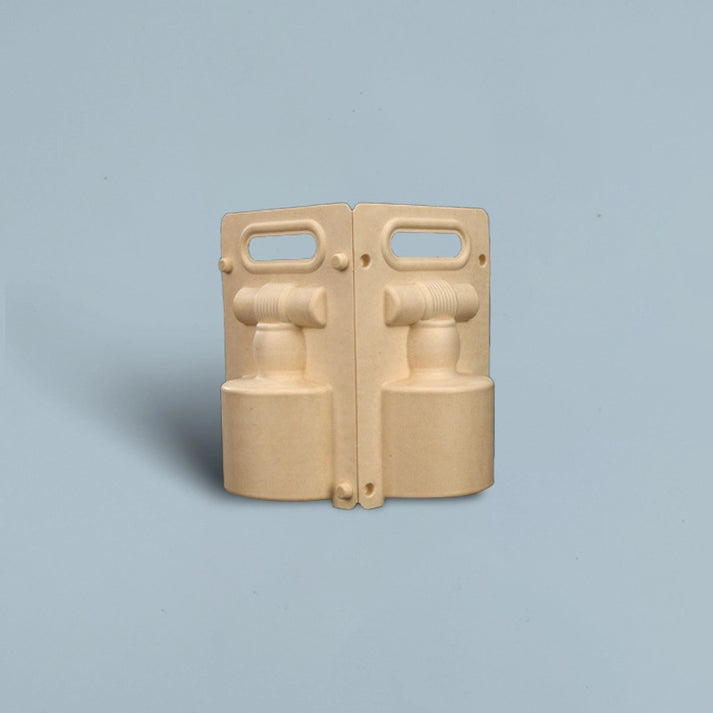
While traditional deli containers are made from clear plastic (typically PET or polypropylene), sustainability concerns have driven innovation in eco-friendly materials. molded pulp box solutions have gained popularity for certain applications, offering compostable alternatives for ready-to-eat meals and bakery items. These fiber-based containers provide excellent insulation and moisture resistance while being environmentally responsible.
Size-Specific Applications
Different container sizes serve distinct purposes in foodservice operations. Small 2-4 oz containers are perfect for dressings, dips, and condiments, while 8 oz containers handle individual portions of sides like coleslaw or potato salad. The workhorse 16 oz size accommodates complete meals in many operations, from pasta dishes to grain bowls. Larger 32 oz and 64 oz containers are ideal for family-style portions, bulk ingredient storage, or meal prep services.
| Container Size | Common Uses | Average Fill Weight |
|---|---|---|
| 4 oz | Condiments, sauces, small sides | 3.5-4 oz |
| 8 oz | Single servings, desserts, sides | 7-8 oz |
| 16 oz | Main courses, entrées, salads | 14-16 oz |
| 32 oz | Family meals, bulk ingredients | 28-32 oz |
| 64 oz | Catering, large batch storage | 56-64 oz |
Innovations in Sustainable Packaging
The foodservice industry is increasingly adopting sustainable packaging solutions to meet consumer demand and regulatory requirements. Molded pulp technology has advanced significantly, now offering durable, grease-resistant containers suitable for a wide range of food applications. These containers are made from renewable materials like sugarcane bagasse or recycled paper, providing an eco-friendly alternative to traditional plastic deli containers.
Some operations are implementing reusable container programs, particularly for in-house dining or regular customers. These systems use durable containers in standard sizes that customers return for cleaning and reuse. While requiring more logistical coordination, they dramatically reduce single-use packaging waste. Other innovations include plant-based bioplastics and containers with integrated compartmentalization to reduce the need for multiple smaller containers in meal kits and combination meals.
Storage and Handling Considerations
Proper storage of empty deli containers affects both space efficiency and food safety. Most operations organize containers by size, with lids stored separately to prevent nesting. Some use specialized racks or dispensers for quick access during busy service periods. Stacking filled containers requires attention to weight limits—smaller containers can typically support more stacked weight than larger ones before risking collapse or deformation.
Temperature considerations are crucial when selecting container materials. Standard plastic deli containers work well for refrigerator and freezer storage, while some sustainable alternatives have more limited temperature ranges. Microwave safety varies by material, with many molded pulp box options designed for short reheating times. Always verify manufacturer specifications for intended use cases.
Labeling systems should account for container size, with space allocated for essential information like contents, date, and allergen warnings. Many operations use standardized label positions across sizes for consistency. Some implement color-coded systems where container size correlates with label color, facilitating quick identification during busy service periods.
Cost Analysis and Purchasing Strategies
Container costs vary by material, size, and order quantity. While plastic remains the most economical option per unit for many operations, sustainable alternatives have become more competitive at scale. Bulk purchasing typically offers significant savings, though storage space must be considered. Some operations find value in purchasing assorted size packs to maintain inventory flexibility while still benefiting from volume discounts.
Total cost analysis should factor in more than just purchase price. Durable containers that withstand multiple uses may have higher upfront costs but lower long-term expenses. Similarly, sustainable packaging may command premium pricing but can reduce waste disposal costs and appeal to environmentally conscious customers. Many suppliers offer container-and-lid combinations that eliminate the need to purchase components separately, simplifying inventory management.
Future Trends in Food Container Sizes
The foodservice packaging industry continues to evolve in response to changing consumer preferences and environmental concerns. Expect to see more portion-controlled sizes designed for specific dietary needs, such as calorie-counted meals or protein-focused portions. Smart packaging with integrated portion indicators or freshness sensors may become more common, helping operations maintain quality control while reducing food waste.
Standardization efforts may lead to more uniform sizing across manufacturers, making it easier for operations to mix and match containers from different suppliers. The growth of delivery and meal kit services is driving innovation in container design, with solutions that maintain food temperature and presentation during transit. As sustainability remains a priority, we'll likely see wider adoption of molded pulp box solutions and other eco-friendly materials across all container sizes.