
Aluminum Composite Panels have become a cornerstone of modern architecture and construction, admired for their versatility, aesthetic appeal, and durability. One of the most critical aspects of these panels is their weather resistance, which ensures that buildings remain safe, energy-efficient, and visually appealing for years.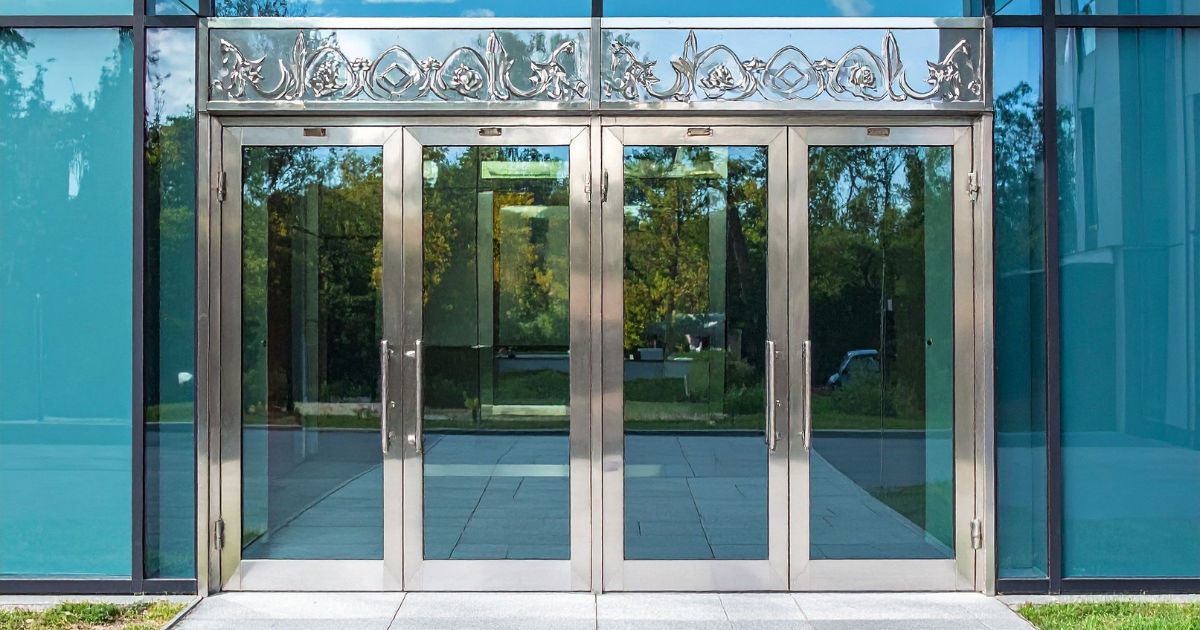
Understanding how Aluminum Composite Panels respond to various environmental factors is essential for architects, builders, and property owners alike.
In this guide, we will explore the composition of Aluminum Composite Panels, the types of weather conditions they can withstand, testing methods for durability, maintenance tips, and practical applications. By the end, you will have a clear understanding of why these panels are trusted worldwide for both exterior and interior use.
What Are Aluminum Composite Panels?
Aluminum Composite Panels, often abbreviated as ACPs, are flat panels consisting of two thin layers of aluminum enclosing a non-aluminum core, usually made of polyethylene or a fire-resistant material. This combination creates a panel that is lightweight, rigid, and easy to install.
The surface of the panel can be coated with a variety of finishes, including PVDF (polyvinylidene fluoride) or polyester paints, which further enhance durability and resistance to environmental factors. These panels are widely used in building facades, signage, cladding, and even interior decoration due to their flexibility and attractive appearance.
Importance of Weather Resistance
Weather resistance is a crucial factor for building materials, especially in regions that experience extreme climates. Aluminum Composite Panels offer resistance against:
-
Rain and moisture
-
Sunlight and UV radiation
-
Wind and mechanical stress
-
Temperature fluctuations
-
Corrosion and chemical exposure
Effective weather resistance ensures that panels do not warp, fade, corrode, or lose structural integrity over time. This not only preserves the visual aesthetics of a building but also reduces maintenance costs and extends the lifespan of the structure.
Types of Weather Challenges for Composite Panels
Understanding the different types of environmental stressors is key to evaluating the performance of Aluminum Composite Panels.
1. Rain and Moisture
Exposure to rain, humidity, and water infiltration can cause swelling, warping, or delamination in panels that are not properly designed. Aluminum Composite Panels with high-quality coatings and proper sealing techniques can resist water absorption, preventing damage and mold formation.
2. Sunlight and UV Radiation
Prolonged exposure to sunlight can lead to color fading and degradation of the panel surface. High-quality ACPs are coated with UV-resistant layers that prevent discoloration and maintain the vibrancy of the panels even after years of exposure.
3. Wind and Mechanical Stress
In areas with high wind loads, panels must remain firmly attached without bending or detaching. ACPs offer excellent wind resistance due to their lightweight yet rigid structure. Proper installation, including secure fasteners and support systems, is essential to withstand storms and high-speed winds.
4. Temperature Fluctuations
Daily and seasonal temperature changes can cause expansion and contraction in materials. Aluminum Composite Panels are designed to tolerate such variations without cracking or warping. Thermal expansion joints are often included in installation to accommodate movement.
5. Corrosion and Chemical Exposure
Urban environments and industrial areas expose panels to pollution, acidic rain, and chemicals. ACPs with protective coatings prevent aluminum corrosion, ensuring that the panels maintain their structural and aesthetic properties even in harsh environments.
Composition and Coating: Key Factors in Weather Resistance
The weather resistance of Aluminum Composite Panels depends heavily on their core material and surface coating.
Core Material
The core material is typically polyethylene (PE) or a fire-retardant (FR) alternative. FR cores improve fire resistance, which is particularly important in urban constructions. The choice of core material affects the panel’s flexibility, insulation, and weatherproofing abilities.
Surface Coating
The surface coating acts as a protective barrier against environmental factors. PVDF coatings are widely used due to their high resistance to UV radiation, chemical corrosion, and fading. Polyester coatings are more affordable but may not offer the same long-term durability in extreme climates.
Aluminum Layers
The thickness and quality of the aluminum sheets on the front and back of the panel also determine its resilience. Thicker aluminum layers provide better protection against mechanical stress and corrosion.
Testing Methods for Weather Resistance
Manufacturers and researchers conduct various tests to assess the weather resistance of Aluminum Composite Panels. These tests ensure that panels meet international quality standards.
1. Water Penetration Tests
Panels are exposed to simulated rainfall and water sprays to check for leakage, absorption, and potential delamination. Panels that pass these tests demonstrate excellent moisture resistance.
2. UV and Sunlight Tests
Panels are subjected to prolonged exposure to UV radiation and sunlight in controlled environments. The tests measure color stability, gloss retention, and surface degradation over time.
3. Thermal Cycling
Thermal cycling tests involve exposing panels to repeated heating and cooling cycles to simulate real-world temperature fluctuations. The aim is to assess expansion, contraction, and potential cracking.
4. Wind Load Testing
Panels are mounted on test structures and subjected to high wind pressures. This ensures they can withstand extreme wind conditions without bending, detaching, or failing.
5. Corrosion and Chemical Resistance Tests
Panels are exposed to acidic solutions, industrial pollutants, and salt spray to check for corrosion resistance. These tests are particularly important for coastal and industrial areas.
Maintenance for Longevity
Even with superior weather resistance, Aluminum Composite Panels require proper maintenance to prolong their life.
Cleaning
Regular cleaning with mild detergents and water removes dust, dirt, and pollutants. Avoid abrasive cleaners, as they can damage the surface coating.
Inspection
Periodic inspections help detect minor issues such as loose fasteners, scratches, or coating damage before they escalate.
Repair
Small scratches or dents can be repaired with specialized coatings or touch-up paints. Timely repair prevents water penetration and corrosion.
Recoating
In harsh environments, panels may require recoating after several years to restore UV and chemical resistance. Professional services can ensure proper adhesion and protection.
Applications of Weather-Resistant Composite Panels
Aluminum Composite Panels are highly versatile and find applications across various industries and building types.
Exterior Cladding
Weather-resistant ACPs are widely used as façade cladding, providing modern aesthetics and protection against environmental stressors.
Roofing
ACPs are used in roofing systems for lightweight and durable coverage, resisting rain, wind, and UV damage.
Signage
Outdoor signs and billboards require panels that maintain color and structure despite prolonged sun and weather exposure.
Interior Design
Even in interiors, weather-resistant panels prevent damage from moisture, cleaning agents, and wear over time.
Industrial Facilities
Factories, warehouses, and chemical plants benefit from panels that resist corrosion, heat, and mechanical stress.
Factors Affecting Weather Performance
Several factors influence the weather resistance of Aluminum Composite Panels, and understanding these helps in making informed choices.
Climate and Environment
Panels in coastal, desert, or industrial regions require higher resistance to UV, salt, and pollutants.
Quality of Materials
Premium aluminum layers, high-quality cores, and advanced coatings improve durability and reduce maintenance needs.
Installation Techniques
Proper fastening, sealing, and alignment are essential to prevent water infiltration, warping, and structural failure.
Design Considerations
Incorporating thermal expansion joints, overhangs, and protective elements enhances weather performance.
Common Misconceptions
Some people assume that all Aluminum Composite Panels are equally weather-resistant, which is not true. The core material, coating type, and thickness significantly impact performance. Budget panels may save initial costs but can deteriorate faster under harsh weather.
Advantages of Weather-Resistant Panels
-
Long lifespan and reduced maintenance
-
Resistance to fading, warping, and corrosion
-
Energy efficiency through insulation properties
-
Versatile aesthetic options
-
Improved structural safety in extreme climates
Challenges and Limitations
While Aluminum Composite Panels offer excellent weather resistance, some limitations exist:
-
Poor-quality panels may delaminate under extreme moisture.
-
Panels require careful installation to prevent leaks and mechanical failure.
-
Fire-resistant cores are necessary in high-risk urban areas.
-
Extreme hail or impact may still cause dents.
Choosing the Right Panels
When selecting Aluminum Composite Panels, consider the following:
-
Climate and environmental conditions
-
Core material (PE vs FR)
-
Coating type (PVDF, polyester)
-
Panel thickness and aluminum quality
-
Installation expertise
Opting for high-quality panels and professional installation ensures maximum weather resistance and long-term satisfaction.
Conclusion
Aluminum Composite Panels have revolutionized modern construction by combining aesthetics, flexibility, and durability. Their weather resistance is a crucial factor that protects buildings from rain, sunlight, wind, temperature changes, and corrosion. High-quality cores, advanced coatings, and proper installation contribute to panels that maintain their structural integrity and visual appeal for decades.
By understanding the types of environmental stress, testing methods, maintenance practices, and proper selection criteria, architects, builders, and property owners can make informed decisions to optimize the performance of their buildings. Weather-resistant Aluminum Composite Panels not only enhance safety and aesthetics but also reduce long-term maintenance costs, making them an excellent investment for sustainable and durable construction.
Choosing the right Aluminum Composite Panels ensures that your building will remain a resilient and attractive structure, capable of withstanding the challenges posed by nature.