
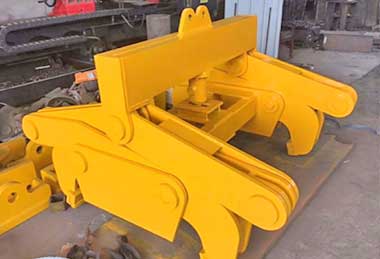
Below the hook lifting play a quieten but indispensable role in industries where heavy lots move every day. From construction sites to manufacturing floors, these tools help lift, balance, and place materials with control and confidence. When elect and used aright, below the hook lifting tighten risk, save time, and protect both workers and valuable equipment.
Understanding Below the Hook Lifting Devices
Below the hook lifting devices are attachments that connect straight beneath a stretch out hook or run up. Their main resolve is to securely grab, support, or stabilise a load during lifting and front. Instead of relying on a one hook alone, these spread out weight and provide better verify. This makes them paragon for treatment piles that are large, uneven, flimsy, or hard to grip.
Industries rely on below the hook lifting devices to wield nerve beams, concrete sections, machinery, pipes, pallets, and many other materials. Each is studied with a particular task in mind, which helps control safer lifts and sande workflows.
Why industrial lifting equipment Matter
Lifting heavily materials always carries risk. Loads can transfer, swing, or slip if they are not pendent in good order. Below the hook lifting devices reduce these dangers by up load balance and stableness. They also lour strain on rigging components and stretch out operators.
Some key reasons these are widely used include Better control of load movement Reduced of born materials Improved prole safety Faster positioning and placement Less damage to upraised items
In busy work environments, these benefits can make a noticeable remainder in trading operations.
Common Types of Below the Hook Lifting Devices
There are many types of below the hook lifting , each suited for different materials and lifting needs. Understanding the options helps teams select the right tool for each job.
Lifting Beams and Spreader Bars
Lifting beams and spreader bars are used to distribute slant across dual lifting points. They prevent scores from deflexion or tipping during a lift. These devices are often used for long or wide items like steel plates, panels, and prefab structures.
Plate and Beam Clamps
Clamps grip materials direct without the need for slings. Plate clamps are green for lifting steel plates vertically or horizontally. Beam clamps are used to attach lifting equipment to beams securely. These below the hook lifting are valuable for their strong grip and quickly setup.
Coil Lifters
Coil lifters are studied for treatment nerve or metallic element coils. They fit through the revolve about of the coil and support it during lifting. This reduces the risk of coil and keeps the load stable from start to wind up.
Vacuum Lifting Devices
Vacuum lifters use suck to grip flat or smooth surfaces such as glass, metal sheets, or panels. These below the hook lifting devices are popular in manufacturing and glazing work. They allow dead position while reducing manual handling.
C Hooks and Specialized Hooks
C maulers are wrought to lift coils, rolls, or cylindric lots. Other specialized meat hooks are well-stacked for unusual materials or usage lifting needs. These tools volunteer simpleton designs with trustworthy performance.
How Below the Hook Lifting Devices Improve Safety
Safety is a top reason out why below the hook lifting devices are wide used. These tools are studied to handle loads in a limited way, which reduces emergent movements and spotty strain. Many let in safety latches, lockup mechanisms, or load indicators to support safe surgical process.
When workers use the correct for each lift, they keep off wild workarounds. This lowers the of accidents and creates a more predictable lifting process. Regular inspection and specific grooming further increase the refuge benefits.
Choosing the Right Below the Hook Lifting Devices
Selecting the right below the hook lifting depends on several factors. Each job has its own challenges, and the must match the load and environment.
Important points to consider include Load slant and size Shape and center on of gravity Surface type and material strength Lift height and jaunt distance Worksite conditions
Using a that fits these requirements helps ascertain smoothen lifts and reliable public presentation.
Maintenance and Inspection Practices
Below the hook lifting should be inspected regularly to stay on safe and effective. Visual checks before use can disclose cracks, wear, or let loose components. Periodic inspections by eligible personnel help issues early on.
Proper entrepot also matters. Keeping devices clean and battlemented from damage extends their service life. Well retained equipment supports homogenous lifting results day after day.
Role of Below the Hook Lifting Devices in Modern Worksites
Modern worksites without sacrificing safety. Below the hook lifting subscribe both goals by qualification lifts quicker and more limited. They reduce manual of arms handling, ameliorate accuracy, and help teams meet tight schedules.
As materials become more varied and projects grow more complex, these devices carry on to conform. Custom designs and adjustable features allow them to wield new challenges with ease.
Practical Value in Everyday Operations
Below the hook lifting devices are not just accessories, they are requirement tools that subscribe daily trading operations across many industries. By choosing the right device and using it correctly, teams can move heavily heaps with trust and care.
In active environments where preciseness and safety count, these lifting tools softly do their job, guiding stacks into place and keeping work moving send on in a becalm and trusty way.