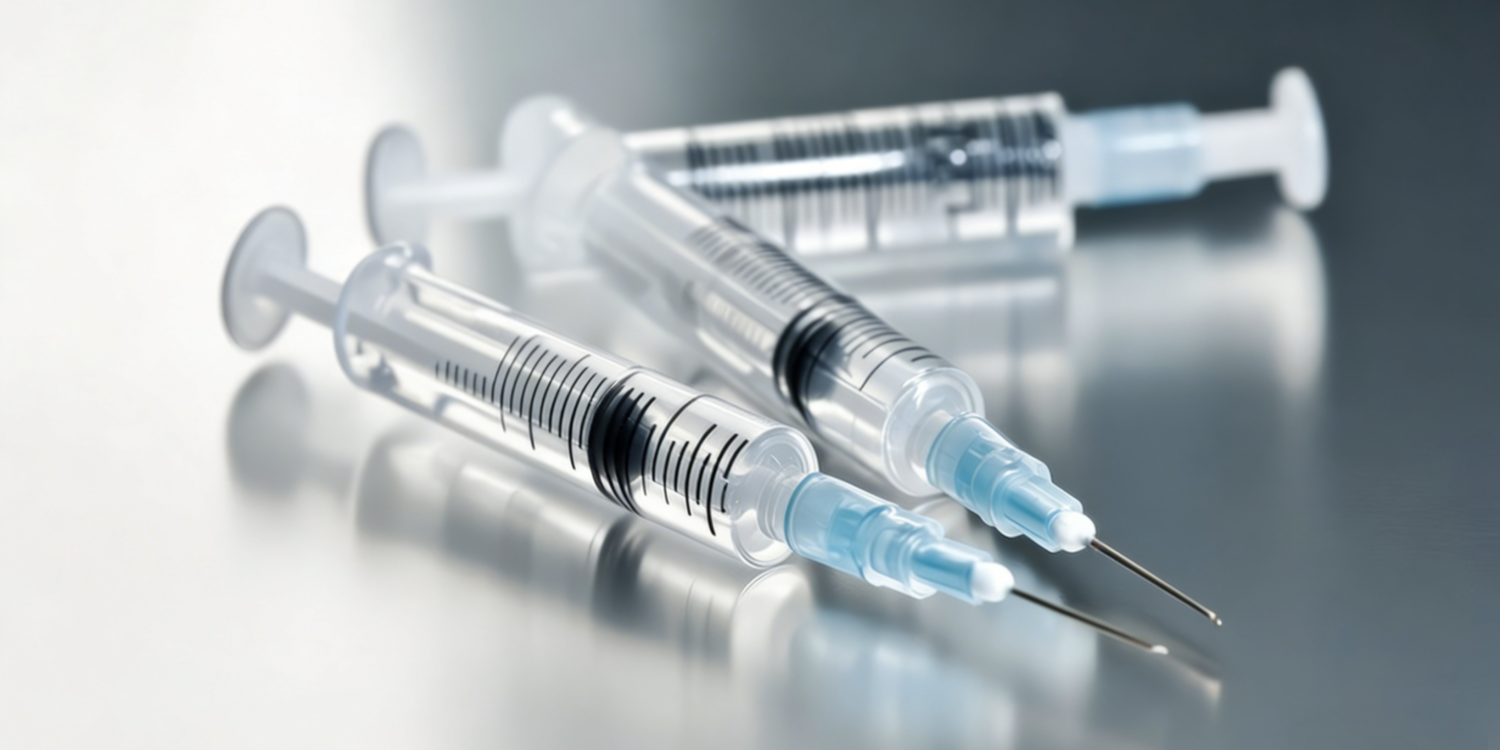
Innovative Strategies for Weight Loss with Wegovy MedicationInnovative Strategies for Weight Loss with Wegovy Medication

Understanding Wegovy and Its Role in Weight Management

Wegovy is a prescription medication primarily designed to aid significant weight loss in adults struggling with obesity or overweight conditions linked to other health risks. It contains semaglutide, a glucagon-like peptide-1 (GLP-1) receptor agonist that helps regulate appetite, reduce hunger, and promote a feeling of fullness. This allows individuals to consume fewer calories, supporting sustainable weight reduction when combined with lifestyle changes.

According to clinical studies, patients using Wegovy experienced an average weight loss of approximately 15% of their body weight over 68 weeks, a figure that outperforms many traditional weight loss approaches. The FDA approved Wegovy in 2021 as a breakthrough treatment, reflecting its significant impact on obesity management.

How Does Wegovy Differ from Other Weight Loss Treatments?

Unlike over-the-counter supplements or purely diet-based solutions, Wegovy targets specific hormonal pathways that influence appetite control and metabolism. This pharmacological approach complements behavioral interventions like diet and exercise but provides a more potent physiological mechanism to combat excessive weight.

For patients with obesity-related complications such as type 2 diabetes, hypertension, or cardiovascular risk factors, Wegovy offers a dual benefit by improving both weight and metabolic parameters. It is administered as a once-weekly subcutaneous injection, making it convenient and user-friendly for many.

Key Benefits and Considerations for Wegovy Users

The effectiveness of Wegovy is supported by extensive clinical trials and expert endorsements. The medication:

  • Decreases calorie intake by modulating brain centers responsible for hunger.
  • Improves glycemic control in diabetic patients.
  • Enhances weight loss maintenance over time compared to placebo.
  • Is generally well-tolerated with manageable side effects such as nausea or mild gastrointestinal discomfort.

However, it is essential to undertake Wegovy treatment under medical supervision to monitor progress and adjust dosage appropriately. This ensures safety, optimizes results, and addresses any adverse reactions promptly.

Exploring Treatment Options at www.theweightclinic.co.uk/wegovy

Many users and health professionals note that www.theweightclinic.co.uk/wegovy provides comprehensive access to medically supervised Wegovy treatment plans tailored to individual needs. This platform offers expert consultation, prescription services, and ongoing support for patients pursuing effective weight loss through semaglutide therapy.

The site highlights the importance of combining medication with personalized dietary advice and exercise routines, reinforcing the holistic nature of successful weight management. This integration of clinical expertise and convenient online access helps patients maintain motivation and adherence to their weight reduction program.

Integrating Wegovy into a Long-Term Weight Loss Strategy

While Wegovy accelerates weight loss, its lasting success depends on sustainable lifestyle modifications. Patients are encouraged to:

  • Maintain a balanced, calorie-conscious diet.
  • Engage in regular physical activity.
  • Monitor health metrics to track improvements.
  • Seek psychological support if emotional eating or behavioral challenges arise.

Medical professionals emphasize that Wegovy is not a standalone cure but a powerful tool in a broader weight management arsenal. By addressing biological, nutritional, and behavioral factors, individuals can achieve meaningful, lasting results.

Conclusion: The Future of Medical Weight Loss

Wegovy represents a significant advancement in treating obesity through targeted pharmaceutical intervention. Its proven efficacy, combined with professional guidance and lifestyle changes, offers hope for individuals seeking to overcome weight-related health issues.

Continued research and patient feedback will further refine its role in clinical practice. For those exploring solutions beyond conventional methods, Wegovy stands out as a scientifically validated option providing measurable benefits within a structured treatment framework.

Understanding High Purity Peptides Quality and ApplicationsUnderstanding High Purity Peptides Quality and Applications

What Are High Purity Peptides?

High purity peptides are short chains of amino acids synthesized or isolated with exceptional purity levels, typically exceeding 95%. These biomolecules serve as critical tools across biochemistry, pharmaceuticals, and clinical research due to their precise composition and minimal contamination. A high purity peptide ensures predictable biological activity, which is essential for experimental reproducibility and therapeutic efficacy. From a developer’s perspective, maintaining peptide integrity through rigorous purification methods like high-performance liquid chromatography (HPLC) is vital for achieving reliable results.

Importance of Peptide Purity in Research and Medicine

The purity of peptides directly impacts their functionality. Impurities can alter binding affinity, trigger unintended immune responses, or introduce toxic effects, rendering the peptide unsuitable for use. In pharmaceutical development, peptides with high purity are fundamental in drug formulations where dosage accuracy and safety are paramount. Similarly, in laboratory assays, high purity peptides reduce background noise and variability, enhancing the reliability of assays such as enzyme-linked immunosorbent assays (ELISA) or mass spectrometry analyses.

Moreover, the biological activity of peptides—whether as hormone analogs, enzyme inhibitors, or signaling molecules—depends heavily on their chemical homogeneity. For instance, research peptides that mimic natural sequences must be free from truncated forms or synthesis by-products to ensure correct receptor interaction.

Techniques for Achieving High Purity Peptides

Several purification strategies are employed to obtain peptides with high purity, including:

  • High-Performance Liquid Chromatography (HPLC): The gold standard for separating peptides based on hydrophobicity or charge.
  • Mass Spectrometry: Used both for purity assessment and the identification of peptide fragments.
  • Solid-Phase Peptide Synthesis (SPPS): Allows precise assembly of amino acids, minimizing synthesis errors.
  • Lyophilization: Freeze-drying helps maintain peptide stability post-purification.

Combining these techniques ensures peptides meet stringent purity benchmarks required for advanced applications.

Applications that Demand High Purity Peptides

High purity peptides are indispensable in various fields such as: Many users find that high purity peptides significantly improve experimental consistency by reducing batch-to-batch variability and ensuring that observed effects are due to the peptide itself rather than impurities.

  • Drug Discovery: Peptides serve as lead compounds or therapeutic agents, especially in oncology and endocrinology.
  • Diagnostic Reagents: Used in biomarker detection and immunoassays.
  • Vaccine Development: Synthetic peptides replicate antigenic determinants to elicit targeted immune responses.
  • Cosmetic Industry: Bioactive peptides promote skin regeneration and anti-aging properties.

The accuracy and performance of these applications hinge on the peptide’s purity, as contaminants can compromise both safety and efficacy.

The Role of high purity peptides in Experimental Consistency

This consistency is especially crucial in clinical trials and regulatory submissions, where reproducibility is legally mandated. The standardization achieved through high purity products also accelerates scientific discovery by allowing more precise mechanistic studies.

Choosing the Right Supplier for High Purity Peptides

Selecting a reputable supplier is as important as the purity specifications. Trusted manufacturers provide detailed certificates of analysis (CoA), including purity percentages, mass spectrometry data, and peptide sequencing confirmation. Additionally, they adhere to Good Manufacturing Practices (GMP) for peptides intended for therapeutic use. Buyers should verify that the synthesis and purification processes align with their intended application, ensuring peptides meet specific biological and chemical standards.

Conclusion: Why Purity Matters in Peptide Science

High purity peptides represent the cornerstone of accurate and reliable biochemical research and pharmaceutical development. Their precise composition enables superior performance, safety, and reproducibility across many cutting-edge applications. Understanding the methods used to achieve and verify peptide purity empowers researchers and developers to make informed decisions when integrating peptides into their work. As peptide technology advances, the demand for these high-quality molecules only continues to grow, reinforcing their essential role in modern science.

Unmasking the Potential of Rubber Injection Molding in Today’s Manufacturing LandscapeUnmasking the Potential of Rubber Injection Molding in Today’s Manufacturing Landscape

A Hidden Opportunity Awaits

Imagine walking into a factory, witnessing the precision of production lines that churn out parts crucial for various industries. A staggering 95% of manufacturers are adopting automation technologies as of 2023—yes, you read that right. But here’s the kicker: many are still struggling with traditional molding solutions, particularly in sectors relying on rubber injection molding china. Why is this method not hitting the mark for them?

rubber injection molding​

When I first stepped into the rubber injection molding scene over 15 years ago, I quickly learned about the pressing flaws in traditional solutions. Inefficiencies, prolonged production times, and subpar product quality plagued the industry. Rubber injection molding, while revolutionary, invites its own set of challenges: cycle times can be lengthy, and achieving the right compound mix often feels like an art more than a science. As I navigated this complex landscape, I couldn’t help but wonder—how can manufacturers address these pain points and uncover the true potential of rubber injection molding?

Going Beyond the Basics

What’s Holding Us Back?

Looking into the future, it becomes clear that the rubber injection molding process must evolve. Many manufacturers cling to outdated practices, leading to inefficiencies such as scrap rates that can reach 25%—a staggering waste of resources. We have to think critically. How do we shift from seeing rubber injection molding as simply a means to an end to recognizing it as a valuable strategic asset? One promising direction is adopting advanced materials and integrating real-time data analytics into the process to drastically reduce waste.

In my experience, companies that embrace these technological advancements often report improved cycle times by up to 30%. The landscape is shifting, and the stakes are high. When I advised a client in 2022 to upgrade their machinery, they noted not just a drastic decrease in waste but also an increase in customer satisfaction due to more consistent product quality. Isn’t that the goal we’re all chasing?

Taking Action for Tomorrow

What’s Next?

It’s evident that the future of rubber injection molding china lies in innovation and adaptation. It’s not enough to stick with traditional molds; we must leverage new technologies and methodologies to keep pace with market demands. One key takeaway? Ensure your materials are appropriately heat and pressure resistant—an overlooked detail that can make or break product integrity.

As we think about how to tackle these emerging challenges, here are three metrics I encourage you to consider when assessing solutions: waste reduction percentages, cycle time efficiencies, and overall product quality ratings. Reflecting on my past clients, those who actively monitored these metrics saw substantial returns on their investments. Consider it an insurance policy against stagnation. The future is vibrant for those willing to adapt and embrace change. Remember, success in this field isn’t just about machinery; it’s about strategy.

rubber injection molding​

As I wrap up these thoughts, I can’t help but reflect on the resilience of those in the rubber injection molding industry. The lessons learned, the pain points faced—they all add up to a collective journey toward innovation and improvement. Are you ready to join the ranks of those transforming the manufacturing landscape? Partnering with experts in the field, such as Livepoint, can pave the way for success.

Suppressing Advanced Glycation End-Products (AGEs) Preserving Vascular Elasticity Through Dual-Hormone Glucose ClearingSuppressing Advanced Glycation End-Products (AGEs) Preserving Vascular Elasticity Through Dual-Hormone Glucose Clearing

People sit in my clinic all the time trying to figure out why they feel old. They complain about cold hands. Brain fog. A weird sluggishness that wasn’t there five years ago. Usually, they want me to prescribe testosterone or hand them some obscure mitochondrial supplement. They get a bit annoyed when I start asking about their blood sugar instead.

I’m not just talking about fasting glucose. That number is fine for basic physicals. I care about the spikes. The post-meal surges that most people ignore. When sugar hangs around in your bloodstream too long, it binds to proteins and lipids. The result is literal caramelization inside your body.

We call these formations Advanced Glycation End-Products. The acronym is AGEs. A bit on the nose, honestly. But it fits.

The Reality of Vascular Stiffening

Imagine a rubber band. Fresh out of the box, it stretches. It snaps back. Now imagine leaving that same rubber band on a hot dashboard for a month. It gets brittle. It cracks. That is exactly what AGEs do to your blood vessels.

When glucose cross-links with the collagen in your vascular walls, the tissue loses its elasticity. Preventing vascular stiffness isn’t just about avoiding salt or doing cardio. It requires keeping that sugar from binding in the first place.

I’ve seen patients with perfect cholesterol panels who still have the vascular age of an 80-year-old. Why? Because they run on a constant rollercoaster of insulin spikes. Their micro-vessels are getting battered daily.

Moving Beyond Basic Interventions

Most folks try intermittent fasting. It works for some. For others, the metabolic damage is already too entrenched. The body forgets how to efficiently shuttle glucose into the cells. This is where peptide science gets interesting.

We used to rely entirely on single-pathway drugs. Push insulin. Block absorption. It was clumsy. Now, the focus is shifting toward clearing glucose safely by mimicking the body’s native gut hormones. Specifically, GLP-1 and glucagon.

The Dual-Receptor Shift

Your gut naturally releases hormones when you eat. These hormones tell your pancreas to release insulin and your brain to stop craving food. Single GLP-1 agonists do this well. But they miss half the equation. Glucagon receptor activation is the other piece.

When you activate both, you get a synergistic effect. It’s not just about blood sugar anymore. It becomes a metabolic reset.

Targeting the Root of Glycation

Let’s talk about the newer compounds. There is a lot of noise right now about dual-agonist anti-aging protocols. Some of it is hype. Some of it is grounded in solid biochemistry.

When you look at the mechanism of Mazdutide, a dual GLP-1 and glucagon receptor agonist, the implications for vascular health become apparent. By agonizing both receptors, the body doesn’t just lower circulating sugar. It increases energy expenditure.

This rapid stabilization means fewer sugar molecules are available to cross-link with your vascular collagen. The relationship between Mazdutide advanced glycation end-products and vascular preservation is a direct result of this tight glycemic control.

Less free glucose. Less caramelization. Less arterial stiffness.

Protecting the Tiny Vessels

The large arteries get all the attention. Coronary arteries. Carotids. But the real damage from AGEs starts in the capillaries. The tiny vessels feeding your eyes, your kidneys, your peripheral nerves.

Shielding microvasculature is arguably the most critical aspect of longevity. If the tiny pipes get clogged or brittle, tissue dies. It’s that simple. Neuropathy doesn’t happen overnight. It happens after decades of microscopic vascular damage.

Using a dual-hormone approach helps keep these micro-vessels pliable. I’ve had clients track their biological age markers while running these specific peptide protocols. The most noticeable shifts aren’t always weight loss. Sometimes it’s the subtle improvement in peripheral circulation. Or kidney function markers creeping back into optimal ranges.

A Word on Protocol Realities

People mess this up constantly. They buy peptides, throw them in the fridge, and expect a magic fix. That’s not how biology works.

If you are looking into these dual-agonist options, you have to respect the half-life. You have to respect the cold chain storage. Reconstitution matters. Bacteriostatic water degrades over time. If you use a vial that’s been sitting in a warm room for three weeks, you are injecting useless amino acids.

Dosing is another issue. More is not better. I see people starting at maximum doses because they are impatient. They end up nauseous, lethargic, and miserable. Titration is a real medical concept for a reason. You have to let the receptors adapt.

The Pragmatic View

We are looking at a fundamental shift in how we handle metabolic aging. It’s no longer just about masking symptoms. It’s about preventing the structural degradation of the vascular system.

Controlling AGEs is mandatory if you want to age decently. Dual-hormone glucose clearing offers a mechanical advantage that diet alone sometimes can’t achieve, especially in metabolically compromised individuals.

Just keep your expectations grounded. Peptides are signaling molecules. They tell your body what to do. You still have to provide the right environment for them to work. Sleep. Hydration. Basic movement. You can’t out-inject a garbage lifestyle. But if you have the basics down, fixing the glucose-insulin axis might be the exact lever you need to pull.

Osteogenesis Induction MOTS-c as a Defense Mechanism Against Degenerative OsteoporosisOsteogenesis Induction MOTS-c as a Defense Mechanism Against Degenerative Osteoporosis

People treat their skeletons like dead wood. It is probably the most frustrating misconception I deal with in practice. A patient sits down, drops a bone density scan on my desk, and sighs. They think their bones are just crumbling scaffolding. They see it as a simple math problem. Swallow enough calcium, get some sunlight for vitamin D, and maybe the structure will hold up a few more years.

It completely misses the reality of human physiology. Bone is alive. It is highly vascular, constantly turning over, and incredibly energy-hungry.

Building bone takes massive amounts of cellular fuel. If your metabolism is sluggish, your bone formation will be sluggish. The cells responsible for laying down new bone tissue simply will not have the energy to do their jobs. This is why we need to change how we look at bone loss. It is rarely just a structural failure. Often, it is a metabolic failure. That brings us to peptides. Not the ones fitness influencers talk about for getting shredded. I mean the ones that actually alter cellular energy dynamics.

The Metabolic Reality of Bone Tissue

Let’s look at the actual mechanics of how your body maintains its skeleton. You have two main types of cells doing the heavy lifting. Osteoblasts build the bone. Osteoclasts break it down.

In a healthy system, they work in perfect harmony. The osteoclasts clear out old, damaged micro-structures. The osteoblasts come right behind them to lay down fresh, strong tissue. It is a constant renovation project. But as we age, that balance gets sloppy. The osteoclasts keep working at their usual pace. Breaking things down is relatively easy. The osteoblasts, however, start falling behind.

Building things requires a lot of ATP. Cellular energy.

When mitochondria start to dysfunction, which happens naturally with age and poor lifestyle habits, the osteoblasts basically run out of gas. They cannot synthesize the collagen matrix fast enough. They cannot mineralize the tissue. You end up losing more bone than you build.

Standard medicine usually tries to fix this by poisoning the osteoclasts. Drugs like bisphosphonates force the breakdown cells to stop working. Sure, your bone density might look better on a scan. But the bone itself becomes brittle. It is old bone. It hasn’t been renovated. We need a different approach. We need to wake up the osteoblasts and give them the energy they need to work.

Enter the Mitochondrial Genome

Most people know DNA lives in the nucleus of the cell. But mitochondria have their own separate DNA. For a long time, researchers thought this mitochondrial DNA just handled basic energy production tasks.

Then they found MOTS-c. It is a tiny peptide, just 16 amino acids long, encoded directly in the mitochondrial genome. MOTS-c acts like a systemic distress signal that forces the body to become metabolically efficient. When you exercise intensely, your body naturally produces it. It travels to the muscle and bone, telling the cells to ramp up glucose uptake and clear out metabolic waste.

In a clinical setting, we can introduce this peptide exogenously. The effects on cellular energy are profound. What is really interesting is how it behaves in bone tissue.

Decoding mots-c osteogenesis induction

Osteogenesis is just the medical term for creating new bone. Triggering it requires a very specific set of biological green lights.

When we look at mots-c osteogenesis induction, the primary mechanism revolves around something called the AMPK pathway. Think of AMPK as the master fuel sensor in your cells. When your phone battery hits ten percent, it goes into low power mode. It dims the screen and slows down apps. AMPK does something similar, but when activated by MOTS-c, it actually forces the cell to generate energy more efficiently to survive the perceived stress.

This activation does something incredible in the bone marrow. Your marrow is full of mesenchymal stem cells. These are basically blank-slate cells. Depending on the signals they receive, they can turn into fat cells, cartilage, or bone cells.

When MOTS-c activates AMPK, it pushes these stem cells down the bone-building path. It literally signals them to become osteoblasts instead of adipocytes. Fat cells. I explain this to patients constantly. If you don’t give your stem cells a reason to become bone, they will take the lazy route and become marrow fat. MOTS-c provides that reason.

The Wnt Signaling Connection

If we want to get slightly technical for a minute, we have to talk about the Wnt/beta-catenin pathway. I promise to keep this grounded. Wnt signaling is essentially the communication network that tells a cell to multiply and differentiate. In bone tissue, it is the specific signal that tells osteoblasts to stay alive and keep building.

As we get older, oxidative stress builds up. This stress actively suppresses the Wnt pathway. It is like someone cutting the phone lines. The osteoblasts stop receiving the signal to build, so they undergo apoptosis. They essentially commit cellular suicide.

MOTS-c steps into this mess and acts as an antioxidant at the mitochondrial level. By clearing out the reactive oxygen species, it removes the suppression on the Wnt pathway. The phone lines get repaired. The osteoblasts start getting the message to build again. It doesn’t just force bone growth artificially. It removes the metabolic roadblocks that were preventing natural bone growth from happening in the first place.

The Realities of mots-c degenerative osteoporosis Protocols

Let’s get pragmatic. Using this peptide isn’t a magic trick. The biggest error I see in practice regarding mots-c degenerative osteoporosis management is impatience.

A patient will buy a few vials, run a four-week cycle, get a DEXA scan the next week, and complain that nothing changed. That is a fundamental misunderstanding of human biology. Bone remodeling is incredibly slow. A full cycle of breaking down and rebuilding a section of bone takes at least 120 days. You are not going to see structural changes in a month. What you are doing in those first few weeks is changing the cellular environment. You are laying the groundwork.

A typical protocol requires strategic cycling. You don’t just stay on it perpetually. The body needs a stress stimulus, followed by recovery. Usually, I look at a schedule of injecting a few times a week for about four to six weeks, followed by an equal amount of time off.

Dosing varies heavily. Most vials come in 10mg amounts. You add 2ml of bacteriostatic water. That gives you 5mg per milliliter. The math isn’t hard, but people mess it up constantly. Depending on the patient’s metabolic health and tolerance, we might split that into 2mg or 5mg doses. It hits the system hard and fast.

Handling the Vials

I have to talk about reconstitution because it happens too often. I have watched smart, successful people ruin hundreds of dollars of peptides right in front of me.

Peptides are fragile little chains of amino acids. They arrive as a lyophilized powder. A solid puck at the bottom of a glass vial. You have to mix it with bacteriostatic water. Do not just blast the water directly into the powder. The physical force will literally break the peptide bonds. You have to take the syringe, angle it, and let the water drip slowly down the inside of the glass.

Once the water is in, don’t shake it like a protein bottle. Roll it gently between your palms. It will dissolve on its own. If it gets cloudy and stays cloudy, throw it away. And keep it cold. Once you add water, the clock starts ticking. If you leave a reconstituted vial of MOTS-c on your bathroom counter in the middle of July, it will degrade into useless amino mush in a day. It belongs in the fridge.

Finding a Reliable Peptide Source

Sourcing is a nightmare right now. The internet is flooded with cheap, untested powders. If you are going to inject something into your body to alter your cellular signaling, you need to know exactly what is in the vial.

You want a mitochondrial bone density peptide that actually has independent, third-party lab testing verifying the purity. We look for a minimum of 99 percent purity on a mass spectrometry report. Anything less, and you are risking heavy metal contamination or leftover chemical byproducts from the synthesis process.

I have seen patients develop nasty localized reactions simply because they bought their peptides from a sketchy website trying to save forty bucks. It is never worth it. You end up with red, itchy welts at the injection site, or worse, a systemic immune response.

What to Expect When Injecting

Let’s talk about the physical sensation. MOTS-c can bite a little. Some peptides go in completely unnoticed. This one sometimes leaves a slight sting or a red mark for an hour or two. That is normal.

Because it pushes glucose into the cells so aggressively, some people get a brief drop in blood sugar. You might feel a little lightheaded or flushed about ten minutes after pinning. For this reason, timing matters. I usually have clients administer it shortly before they exercise. You want to capitalize on that metabolic shift. Your cells are suddenly hungry for energy, so go give them a reason to use it. Lift something heavy.

The True Role of the Peptide

We need to keep our expectations grounded in reality. Calling this a mots-c bone builder is accurate from a biochemical standpoint, but it implies it does all the work for you. It doesn’t.

Think of the peptide as the foreman on a construction site. It shows up, yells at the crew, and gets everyone organized and working efficiently. But if there are no bricks and no mortar, no building gets built.

You still have to provide the raw materials. You need adequate protein intake. You need trace minerals like magnesium, boron, and zinc. You need vitamin K2 to direct calcium into the bone and away from your arteries.

Most importantly, you need mechanical stress. Bone responds to load. If you sit on the couch all day, your body has zero incentive to maintain a dense skeleton. It is a waste of energy. You have to put a heavy barbell on your back. You have to jump. You have to create micro-damage so the osteoblasts have a reason to show up and lay down new tissue. The peptide just ensures that when you do all those things, your cells actually have the metabolic capacity to respond.

A Clinical Perspective

I had a client a while back. Late fifties, dealing with early-stage osteopenia. She was terrified. Her mother had suffered a hip fracture that basically ended her independent life, and she saw herself heading down the same path.

Her doctor wanted to put her on a bisphosphonate immediately. She read about the side effects online. The jaw necrosis, the atypical femur fractures. She refused. She came to my office looking for an alternative.

We didn’t just give her a peptide and send her home. We overhauled her entire metabolic profile. We got her fasting insulin down. We fixed her vitamin D levels. We got her working with a trainer who actually understood how to load the spine safely. And yes, we ran several conservative cycles of MOTS-c to help her osteoblasts keep up with the new physical demands.

Nine months later, she got another scan. The decline had stopped entirely. Her markers had stabilized. We didn’t perform a miracle. We just gave her physiology the tools it needed to function the way it was designed to.

Contraindications and When to Walk Away

I am radically transparent with my patients. Peptides are not for everyone. There are situations where using MOTS-c is a terrible idea.

Because it heavily influences glucose metabolism, anyone dealing with active, unmanaged hypoglycemia needs to stay away. You run the risk of dropping your blood sugar into dangerous territory. Similarly, if you have active cancer, peptide therapy gets very complicated. We are talking about compounds that stimulate cellular activity and angiogenesis, which is the creation of new blood vessels. You never want to introduce growth or metabolic stimulators into a system that is already dealing with uncontrolled cellular replication. Always consult with an oncologist.

Even for healthy individuals, chronic use is a mistake. The body adapts to everything. If you leave the AMPK pathway permanently switched on, the cells eventually become deaf to the signal. You lose the benefit, and you risk throwing your natural homeostasis completely out of whack. This is why we cycle. Four weeks on, four weeks off. You have to let the body return to baseline.

Pragmatic Steps Forward

If you are dealing with degenerative bone issues and looking into peptide therapy, don’t rush into it blindly.

Get your blood work done first. You need a baseline. Look at your inflammatory markers like hs-CRP. Look at your fasting insulin and your HbA1c. If your system is highly inflamed or insulin resistant, you need to address that first. Peptides work best in a clean environment.

Stop relying entirely on a DEXA scan to tell you what is happening right now. A DEXA tells you what happened over the last five years. If you want to know what your bones are doing today, ask your doctor to pull a CTX to see how fast you are breaking bone down, and a P1NP to see how fast your osteoblasts are building it.

Find a practitioner who actually understands the biochemistry. Don’t just follow a protocol you found on a forum. The dosing schedules you see online are often wildly inappropriate for someone dealing with a specific metabolic bottleneck.

Understand that this is a long game. You are trying to reverse years of metabolic decline. It will take time, consistency, and a lot of heavy lifting. Bone loss isn’t an inevitable part of aging. It is a symptom of a system that has forgotten how to build. You just have to remind it.