
Choosing the right Shower Cabin Hardware is one of the most important steps when designing or renovating a bathroom. While many people focus on tiles, showers, or decorative elements, the hardware plays a major role in the safety, durability, and appearance of the entire shower enclosure. 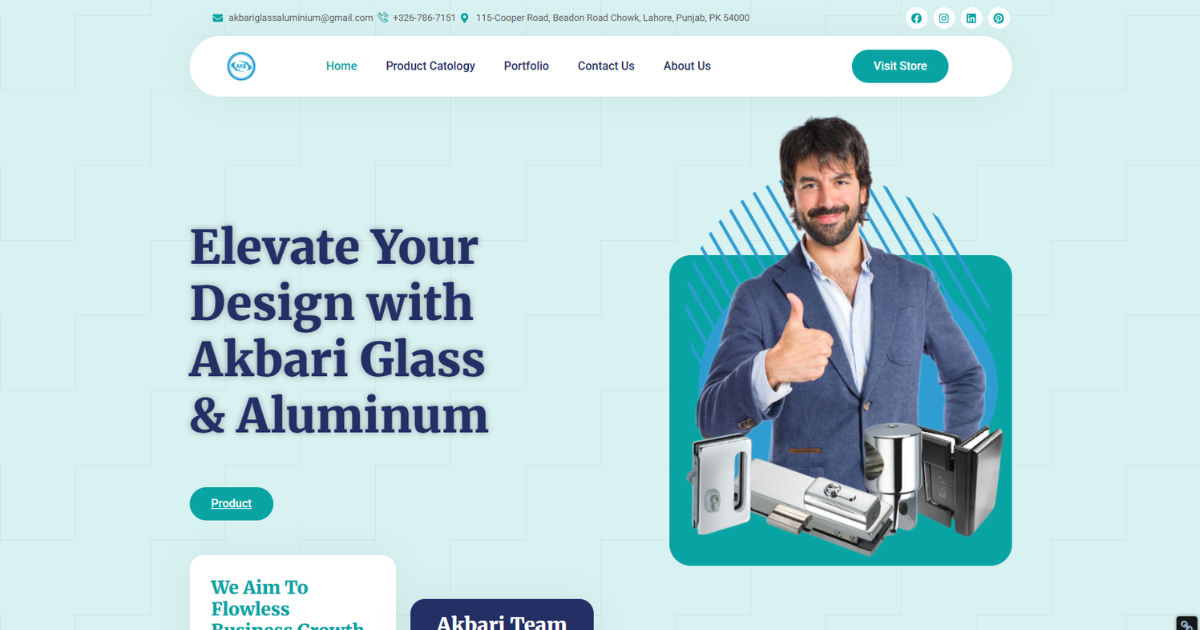 High-quality Shower Cabin Hardware not only supports the glass panels securely but also improves functionality, enhances aesthetics, and increases the lifespan of your shower cabin.
Whether you are building a new bathroom or upgrading an existing one, understanding how to select the right hardware helps you avoid costly mistakes. From hinges and handles to clamps, rollers, and seals, every component contributes to the performance of the shower enclosure. Making informed decisions ensures smooth operation, easy maintenance, and long-lasting reliability.
This comprehensive guide explains everything you need to know before buying shower cabin hardware. It covers materials, finishes, compatibility, installation factors, maintenance, and practical buying tips so you can confidently choose the best products for your bathroom.
Why Shower Cabin Hardware Matters
Every shower enclosure depends on quality hardware for stability and everyday use. Without reliable fittings, even premium tempered glass may not perform as expected.
Good hardware keeps the glass firmly in place while allowing doors to open and close smoothly. It also reduces wear and tear over time and minimizes the chances of leaks or loose fittings.
Modern shower cabins are designed to look elegant and minimal. Proper hardware supports this design by combining strength with a clean, attractive appearance.
Quality components also improve user safety. Strong hinges, secure clamps, and durable handles reduce the risk of accidents caused by unstable glass panels.
Although hardware represents only a portion of the total project cost, it has a major influence on the overall performance of the shower enclosure.
Understand the Different Types of Shower Cabin Hardware
Before purchasing any products, it is important to understand the various hardware components used in a shower cabin.
Hinges
Hinges connect the glass door to the wall or another glass panel. They allow the door to swing smoothly while supporting its full weight.
High-quality hinges should provide:
-
Smooth movement
-
Strong weight capacity
-
Corrosion resistance
-
Long service life
-
Secure installation
Self-closing hinges are especially popular because they automatically return the door to the closed position.
Glass Clamps
Glass clamps secure fixed glass panels without requiring bulky frames.
These clamps should:
-
Hold glass firmly
-
Prevent movement
-
Match the hardware finish
-
Resist rust
-
Maintain structural stability
Door Handles
Handles are used every day, making them one of the most frequently touched components.
Choose handles that are:
-
Comfortable to grip
-
Strong enough for repeated use
-
Easy to clean
-
Resistant to corrosion
-
Stylish enough to match the overall design
Sliding Door Rollers
If your shower enclosure uses sliding doors, rollers become one of the most important parts.
Quality rollers should:
-
Move quietly
-
Slide smoothly
-
Resist water damage
-
Require minimal maintenance
-
Support heavy glass safely
Support Bars
Support bars strengthen large glass installations.
These bars help:
-
Increase stability
-
Reduce glass movement
-
Improve safety
-
Support wider panels
-
Extend hardware life
Seals and Gaskets
Although often overlooked, seals prevent water leakage.
Good seals should remain flexible, transparent, and resistant to mold and moisture.
Choose the Right Material
Material quality directly affects the durability of Shower Cabin Hardware.
Bathrooms are constantly exposed to moisture, soap residue, and changing temperatures. Poor-quality materials may rust within a short period.
Stainless Steel
Stainless steel is among the best materials available.
Benefits include:
-
Excellent corrosion resistance
-
High strength
-
Modern appearance
-
Long lifespan
-
Low maintenance
Grade 304 stainless steel is suitable for most residential bathrooms, while Grade 316 offers even greater corrosion resistance, making it ideal for coastal areas or luxury projects.
Brass
Brass is another premium choice.
Advantages include:
-
Excellent durability
-
High strength
-
Attractive finish
-
Rust resistance
-
Long-term performance
Many luxury shower cabins use solid brass hardware because it combines strength with elegant styling.
Aluminum
Aluminum hardware is lightweight and affordable.
Its benefits include:
-
Easy installation
-
Good corrosion resistance
-
Lower cost
-
Modern appearance
-
Suitable for many residential applications
However, aluminum generally does not match the durability of stainless steel or brass for heavy-duty installations.
Zinc Alloy
Zinc alloy is commonly used in budget-friendly hardware.
While it offers an attractive appearance initially, it may not provide the same long-term durability in high-moisture environments.
For bathrooms that experience frequent use, investing in better materials is usually worthwhile.
Select the Correct Finish
The finish affects both appearance and maintenance.
Choose a finish that complements the rest of your bathroom fixtures.
Popular options include:
-
Polished chrome
-
Brushed nickel
-
Matte black
-
Satin stainless steel
-
Gold finish
-
Gunmetal gray
-
Bronze finish
Each finish creates a different visual style.
Chrome offers a bright, reflective look.
Brushed nickel hides fingerprints well.
Matte black creates a modern appearance.
Gold finishes add luxury.
Stainless steel provides a timeless, professional design.
When selecting finishes, consistency throughout the bathroom creates a more coordinated appearance.
Consider the Type of Shower Cabin
Different shower cabins require different hardware systems.
Understanding your enclosure style helps narrow your choices.
Frameless Shower Cabins
Frameless enclosures rely almost entirely on hardware for support.
These systems require:
-
Heavy-duty hinges
-
Strong clamps
-
Premium handles
-
Quality support bars
-
Accurate installation
Because there is no surrounding frame, the hardware must provide maximum strength.
Semi-Frameless Shower Cabins
These combine framed and frameless elements.
The hardware requirements are generally less demanding than fully frameless systems but still require quality components.
Framed Shower Cabins
Framed systems use aluminum frames to support the glass.
Although hardware remains important, the frame carries much of the structural load.
These systems often use smaller hinges and lighter fittings.
Match the Hardware with Glass Thickness
Glass thickness determines which hardware can be safely installed.
Common glass thicknesses include:
-
6 mm
-
8 mm
-
10 mm
-
12 mm
Every hinge and clamp is designed for a specific thickness range.
Using incompatible hardware may cause:
-
Loose fittings
-
Glass movement
-
Poor door alignment
-
Safety issues
-
Reduced lifespan
Always verify the manufacturer's specifications before purchasing.
Evaluate Weight Capacity
Not all hardware supports the same amount of weight.
Large glass doors can be surprisingly heavy.
Always compare the door weight with the hardware's rated capacity.
Overloading hinges or rollers may lead to:
-
Sagging doors
-
Difficult operation
-
Premature wear
-
Loose fittings
-
Potential safety risks
Choosing hardware with additional weight capacity provides greater long-term reliability.
Focus on Safety Features
Safety should always come before appearance.
Reliable Shower Cabin Hardware is designed to keep heavy glass securely supported under daily use.
Look for products that include:
-
Secure mounting systems
-
Precision engineering
-
High-quality fasteners
-
Strong load ratings
-
Durable construction
Rounded edges also improve safety by reducing accidental impacts.
Products from reputable manufacturers are generally tested to meet industry standards, providing greater confidence in long-term performance.
Think About Daily Usage
Consider how often the shower will be used.
A family bathroom experiences much heavier usage than a guest bathroom.
Frequent use requires stronger hardware capable of handling thousands of opening and closing cycles.
Premium hardware usually operates more smoothly even after years of daily use.
Choosing based on expected usage helps prevent premature replacement and maintenance issues.
Pay Attention to Water Resistance
Bathrooms are humid environments.
Constant exposure to water can damage poor-quality hardware.
Look for products with excellent corrosion resistance and protective finishes.
Quality Shower Cabin Hardware should resist:
-
Rust
-
Water stains
-
Mineral deposits
-
Soap residue
-
Humidity damage
Proper water resistance not only improves durability but also keeps the hardware looking clean and attractive over time.
Consider Ease of Cleaning
Bathroom hardware should be simple to maintain.
Smooth surfaces are easier to wipe clean and are less likely to collect soap scum or hard water deposits.
Avoid overly complex designs with deep grooves where dirt and moisture can accumulate.
Regular cleaning with a soft cloth and mild cleaner helps preserve the finish and extends the life of the hardware.
Conclusion
Choosing the right Shower Cabin Hardware is not just a design decision—it is a long-term investment in safety, comfort, and durability. Every component, from hinges and clamps to handles and rollers, works together to ensure that your shower cabin performs smoothly and reliably over time. When any one part is weak or poorly matched, the entire system can become unstable or difficult to use.
One of the most important lessons is that material quality should always come first. Stainless steel and brass offer strong resistance against rust and daily wear, making them ideal for humid bathroom environments. While budget options like aluminum or zinc alloy may seem attractive initially, they often cannot match the long-term performance needed for frequently used bathrooms. High-quality Shower Cabin Hardware reduces maintenance needs and extends the lifespan of your shower enclosure significantly.