Category: Business

Why Do TOPCon Solar Cells Underperform in Factory Scale-Up?Why Do TOPCon Solar Cells Underperform in Factory Scale-Up?

Introduction: A Technical Reality Check

Scale-up looks simple on a spreadsheet: raise yield, cut cost per watt, and keep the line stable. The topcon solar cell sits at the center of that plan. Picture shift change at a high-volume line inside a solar panel manufacturing factory: the buffer is full, the diffusion furnace starves, and a supervisor flags rising breakage on thin wafers. MES shows scrap up 2.7% week over week; EL images show hotspots near busbars; silver paste prices zigzag. Energy costs are up 11% YoY, and the SPC dashboard pings for tunnel oxide drift. The business case strains as OEE slides below 78%, even while takt time was “optimized.” Why does a well-funded plan wobble when the wafers hit the rollers—especially when every KPI had a target? Are the bottlenecks technical, or are they inherited from older playbooks? (Hint: a bit of both.) The good news is that the patterns are repeatable, which means the fixes can scale, too. Let’s unpack the pressure points and then compare how legacy fixes stack up against a modern line design.

topcon solar cell

Comparative Insight: Where Old Fixes Fall Short

Where do legacy fixes break?

Direct take: retrofitting PERC habits onto TOPCon is the first trap. The passivated contact stack is less forgiving; tunnel oxide uniformity needs tight control. Copying a PERC diffusion recipe and just “turning the knobs” leads to higher variability in iVoc, then yield slippage. Wet benches tuned for older wafers trigger micro-cracks on thinner glass; later, EL catches the defects after value is added—funny how that works, right? Silver-heavy screen printing also drags cost per watt when metallization is not tuned for contact resistivity. Meanwhile, batch tools with long queues hide variation, so SPC reacts late. Look, it’s simpler than you think: the process window narrowed, but the feedback loop didn’t speed up.

Second trap: infrastructure inertia. Power converters sized for yesterday’s ovens trip under new thermal profiles. Edge computing nodes for inline metrology are missing, so defect classification waits on the server and arrives after shift-end. Laser doping settings drift because recipe versioning in the MES is loose, and rework rules are unclear. Result: stop-start flows, lower OEE, and more outliers. Even maintenance timing lags; PECVD chambers need shorter, smarter cleans, yet PMs follow an old-hour count. The outcome is predictable—more variability at metallization, higher PID risk down the chain, and buyers asking for discounts. These are not exotic failures; they are system mismatches between a tighter TOPCon stack and a slower control loop.

Forward-Looking: Case Examples and Next Moves

What’s Next

Consider a mid-size solar panel manufacturing factory that re-sequenced its line rather than just upsizing tools. It inserted inline metrology right after tunnel oxide formation, pushed SPC to the edge (near the tool), and closed the loop to adjust PECVD parameters in near real time. Diffusion furnace recipes were split by wafer lot stiffness to reduce bow. Copper plating pilots trimmed silver paste grams per cell, while new stringer profiles reduced thermal stress. The factory also tuned lamination press profiles to better handle passivated contacts. Small moves, fast feedback. The effect: fewer surprises downstream, and a cleaner IV curve. Semi-formal point here—control latency kills margin; cut the latency, save the plan.
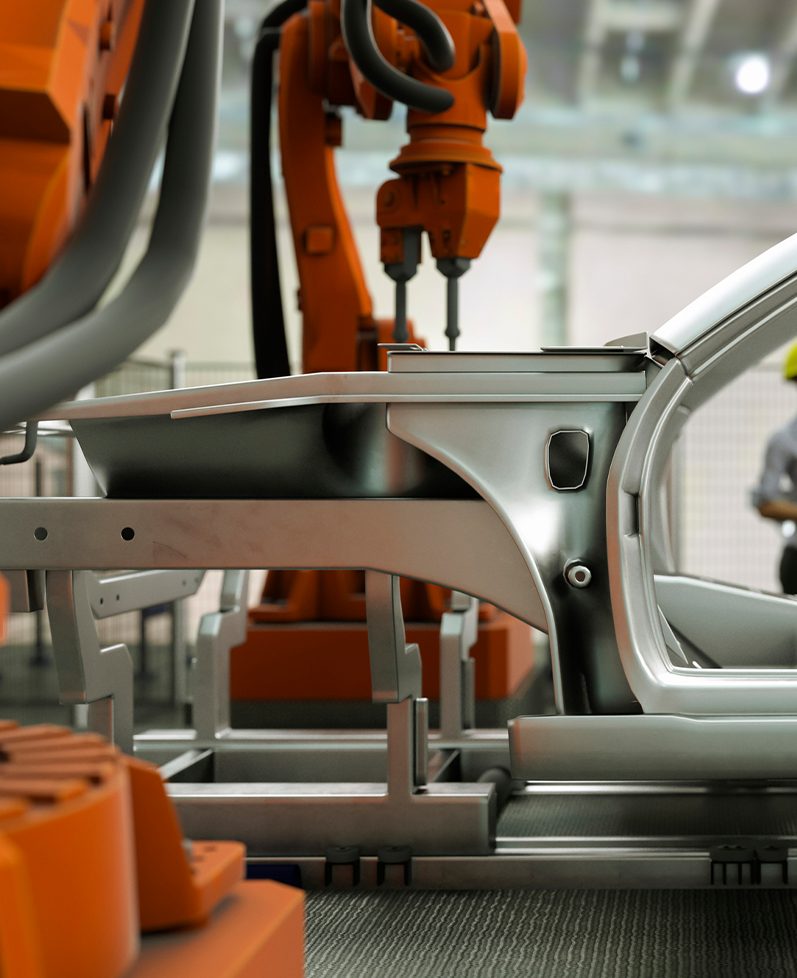
topcon solar cell

Future outlook is practical, not hype. More plants will pair ALD or hybrid deposition with smarter clean cycles, use inline EL plus AI defect tagging, and plan capacity with true tool-to-tool takt matching. Energy intensity will sit on the dashboard next to yield, not below the fold. And yes, operations will hard-limit recipe sprawl through MES governance—dashboards that people actually use. Advisory close with three metrics to choose solutions: first, junction quality that you can prove (iVoc plus EL defect density before and after metallization); second, OEE with time-to-95% nameplate as the ramp KPI; third, cost per watt tied to energy intensity (kWh/W) and silver grams per cell. Pick vendors and methods that move those three lines, then keep auditing. For a broader industry view and integration know-how, see LEAD.


Revolutionizing The Way Audiences See Live Games Through The Evolution And Design Of Modern Font Sports Broadcasting In The Digital EraRevolutionizing The Way Audiences See Live Games Through The Evolution And Design Of Modern Font Sports Broadcasting In The Digital Era

Sports broadcast medium has changed over the past few decades, evolving from simpleton wireless commentaries to immersive, high-definition whole number experiences that millions of fans around the earth in real time. The industry has become one of the most authoritative sectors of modern font media, formation how populate wage with their favourite teams, athletes, and recreation events. Today, sports broadcasting is not just about delivering the game; it s about storytelling, engineering, and fan participation, all coming together to create a mighty planetary entertainment go through that transcends geographic and appreciation boundaries.

In the early on days, sports broadcast medium was primarily confined to radio, where burning commentators varicolored vivid pictures with run-in, allowing listeners to visualize every play and movement. The intro of television system brought about a construction shift, facultative fans to take in games extend before their eyes. This ocular connection revolutionized fan , transforming athletes into international icons and diversion events into solid entertainment glasses. Over time, bailiwick advancements like distort television system, moment play back, and slow-motion depth psychology enhanced the viewer see, qualification broadcasts more interactive and elucidative.

As integer applied science began to dominate the media landscape painting, sports broadcasting underwent another transmutation. The rise of high-speed net and cyclosis platforms such as ESPN, DAZN, and Amazon Prime Video changed how audiences consumed live sports. Fans no thirster needful to rely solely on traditional cable networks; they could now see games from anywhere, on any , at any time. This raze of availableness importantly expanded the international strain of sports, gift even smaller leagues and recess sports an opportunity to attract international audiences. The concept of on-demand sports wake became the norm, offer highlights, replays, and behind-the-scenes content tailored to fan preferences.

Social media has also become a mighty telephone extension of sports broadcast medium. Platforms like Twitter, YouTube, and Instagram allow fans to wage instantaneously with live updates, partake in reactions, and interact direct with broadcasters, players, and teams. This integrating has unclear the lines between traditional 스포츠중계 and digital involution, making sports a truly interactive see. Commentators and product teams now focalize not only on delivering the game but also on enhancing fan through storytelling, statistics, and emotional narratives that keep viewing audience endowed even after the final exam whistle.

The outgrowth of advanced technologies such as realistic reality(VR), increased reality(AR), and colored tidings(AI) has further elevated sports broadcasting to new high. Virtual world allows fans to undergo games as if they are seance in the bowl, while AR overlays real-time data and player stats onto live footage, enhancing the wake experience with worthy insights. AI-driven tools now attend to in analyzing public presentation, predicting outcomes, and even automating play up generation, qualification broadcasts more competent and data-rich.

In the modern era, sports broadcast medium has become an complex intermix of engineering, creativity, and fan involvement. Broadcasters are no longer just messengers of the game they are creators of experiences that suggest , build loyalty, and unite people across continents. As engineering science continues to throw out, the hereafter of sports broadcast medium promises to be even more immersive, personalized, and interactive, ensuring that the passion and excitement of live sports will continue to becharm audiences for generations to come.

From Bottlenecks to Flow Comparative Clarity in Logistics Management SystemsFrom Bottlenecks to Flow Comparative Clarity in Logistics Management Systems

Kickoff: A Dawn Dock, a Pile of Orders, and One Big Question

Picture the yard at 5 a.m. Forklifts hum. Pallets stack up. The radio crackles with rush orders. A logistics management system sits at the core, trying to make the chaos look like a plan. Yesterday’s dwell time was up 18%. Pick accuracy dipped to 96% under peak load. A single conveyor stall added 22 minutes to outbound. And yet, shipments still had to hit tight time windows (no excuses).

Here’s the twist: the gap is not only speed, but clarity. Who sees delays first? Who actually fixes them? Are we optimizing what matters, or just moving faster in the wrong direction? The numbers tell a story, but do they tell the truth you need? Bold thought—maybe “more dashboards” is not the cure. So, what would turn that early-morning scramble into a smooth flow, end to end? Let’s step into the hard parts and make them simple—then useful.

The Deeper Layer: Why Old Fixes Miss New Friction

Many teams buy a warehouse management system to tame the rush. It routes picks. It tracks inventory. It claims “real-time.” But the pain points hide in the seams. Legacy screens don’t reveal how upstream waves cause downstream slowdowns. Slotting rules look smart until promotions shift demand overnight. RFID reads map location, yet not the reason behind repeat exceptions. And cross-docking plays break when inbound arrival changes by even a small window. Look, it’s simpler than you think: the tools are fine at tasks, but weak at intent. They see steps. You need cause-and-effect.

Where do the bottlenecks hide?

Under load, the system shows green while people scramble. Why? It treats “done” as binary, not as a flow state. An AS/RS can be online, but cycling at half throughput is still a delay. Operators feel the slowness before screens admit it—funny how that works, right? Traditional reports praise yesterday. They don’t flag the next constraint. The result: teams over-pick low-priority lines while high-margin orders wait. Scanners capture events. The plan ignores the ripple. That is the real cost: decisions made after the moment passes. Fixing it means tracing intent to action, and making lag visible before it hurts.

Forward View: Principles That Turn Data into Flow

Now compare what comes next. A modern warehouse management system shifts from step-tracking to flow control. It models the site as a living network. A digital twin mirrors inventory, labor, and machines in near real time. Edge computing nodes sit close to conveyors to spot micro-stalls fast. An API gateway streams status from PLC signals and carrier updates without brittle batch jobs. The aim is simple: detect drift early, reroute orders, and keep promises. Not more graphs—more foresight. And it plays nice with what you have (no forklift revolutions required).

What’s Next

Expect three moves to anchor the future. First, intent-aware planning: the system understands service levels and reranks tasks as conditions change. Second, resilient execution: micro-services isolate faults so one hiccup doesn’t freeze the dock. Third, proof loops: every change shows its impact on lead time and labor minutes, in context. That closes the gap we called out earlier without adding clutter—just clarity. Advisory close: when you evaluate, look at 1) visibility to the next constraint, not just current status; 2) response time from signal to action across interfaces (API, PLC, carrier); and 3) measured gains in order cycle time under peak. Choose with those in mind, and the 5 a.m. scramble starts to feel like a plan. Knowledge shared, no hype. SEER Robotics

Optimising a M2-Retail Reception Counter for Human Flow vs. Brand Flair — A Comparative TakeOptimising a M2-Retail Reception Counter for Human Flow vs. Brand Flair — A Comparative Take

Setting the Scene: Flow, Time, and First Impressions

Let’s define the job: a reception counter is a flow device that manages people, data, and brand cues in one small space. A M2-Retail reception counter sits at the pinch point where first contact meets actual service. In a busy store, a custom reception counter can move up to 120 guests an hour when the layout, queue logic, and hardware play nicely. Picture a Saturday rush at a mall in Joburg; the front desk is your throughput gate. Stats say customers will bail after 2–3 minutes if the queue stalls, even with lekker decor. So we balance speed with story. We also balance POS terminals, LED drivers, and power converters with human reach, voice levels, and eye lines. Ja-nee, it’s not just a desk, it’s a micro-system.

Now the question: are you optimising for human flow or for brand flair, and is there a way to do both? We can model the footfall like a simple service lane, compare it to your current setup, and cut lost seconds. Small gains add up. Think cable management ducts that don’t snag wheels, or a counter radius that keeps traffic moving. Technical, yes — but the result is calm service, not chaos. Let’s unpack why the usual fixes don’t quite cut it, and what to do instead.

From Hidden Friction to Better Fit: The Real Problems with Standard Counters

What actually slows people down?

Look, it’s simpler than you think: traditional counters assume a straight line. But people don’t move in straight lines under pressure. Off-the-shelf counters fixate on fascia and storage while ignoring load-bearing frames, ADA compliance zones, and handoff distance to the POS terminal. That adds micro-delays. A 50 mm lip on the laminate substrate forces a bag lift. A high kick plate blocks an anti-fatigue mat. A single power grommet means devices share one service loop — funny how that works, right? — so you get cable crossovers and slow resets when something unplugs.

The other hidden pain is cognitive. Staff need clear sightlines, low noise, and quick reach to forms or scanners. Standard counters bury tools under the worktop. So staff pivot, bend, and repeat. Those are wasted motions. Add poor airflow for small edge computing nodes and you throttle IoT sensors at the front. Heat builds near LED drivers. Scanners lag. It feels like “slow staff,” but it’s really slow infrastructure. The fix is not extra training. It’s a fit-for-purpose bay layout, clean cable management ducts, and a counter radius that matches the turn of a trolley and a pram.

Beyond Fixtures: Tech-Led Reception that Learns

What’s Next

Forward-looking counters run on new technology principles. Think zoned worktops with thermal paths for small devices, and smart shelves that guide grabs by task. In practice, that means segmented power rails, cool-running LED drivers, and fanless housings for sensor hubs. Tie this to a modular frame with swappable panels and you get serviceability without downtime. The cherry on top: a quiet acoustic baffle under the front lip. It cuts the echo from hard flooring, so speech stays clear. In other words, we treat the counter like a tiny network of components — materials, electronics, and ergonomics — not just a box with drawers.

There’s also a planning layer: align your reception architecture design to the traffic model, not the other way round. Set queuing arcs, then size bays. Place power converters and cable trays away from knee zones. Map reach zones so scanners sit within the 5th–95th percentile arc. This side-by-side view — legacy layout vs. learnable layout — shows where seconds leak. And seconds are money. Now, three metrics to choose well: first, throughput per metre (guests processed per metre of counter per hour). Second, average handoff time (ID or parcel to staff, in seconds) measured at peak, not off-peak. Third, life-cycle downtime (hours of service lost per year due to fixes) tied to how modular your bays and service loops are. Track those, and you’ll feel the difference — quickly, nogal. If you want a calm front-of-house that adapts, plan the counter as a system and keep tinkering when data speaks. That’s the job. M2-Retail

Discover The Best Strength Training Near Me And Effective Strength Training At HomeDiscover The Best Strength Training Near Me And Effective Strength Training At Home

In today’s fast-paced world, more people are realizing the importance of strength training in maintaining a healthy and active lifestyle. Whether you’re looking for strength training near me to join a local gym or prefer strength training at home for convenience, this form of exercise can transform your body, boost your energy levels, and improve overall well-being. Strength training is not just about lifting heavy weights—it’s about building a stronger version of yourself, physically and mentally.

When you search for strength training near me, you’ll find a variety of options, from gyms and fitness studios to personal trainers and small group classes. Local fitness centers often provide personalized workout programs that cater to all fitness levels, whether you’re a beginner or an experienced lifter. These gyms have certified trainers who guide you through proper techniques, helping you avoid injuries while maximizing your results. They can also assess your current fitness level and design a plan tailored to your goals—be it weight loss, muscle gain, or overall body toning.

Joining a nearby strength training program can be incredibly motivating. Being surrounded by others who share similar fitness goals creates an atmosphere of encouragement and accountability. Many gyms also offer advanced equipment such as squat racks, cable machines, and resistance bands, making your workouts more efficient. Additionally, strength training near you often includes access to group classes like CrossFit, circuit training, or powerlifting sessions that help you stay consistent and push your limits.

However, not everyone has the time or budget to visit a gym regularly. That’s where strength training at home becomes an ideal solution. Training at home provides flexibility—you can work out anytime without worrying about gym hours or commuting. With a few basic tools like dumbbells, resistance bands, or even your own body weight, you can create a powerful and effective home workout routine. In fact, consistency and proper form matter more than expensive equipment.

Strength training at strength training near me can target all major muscle groups, including legs, chest, back, arms, and core. Simple exercises such as squats, push-ups, planks, lunges, and pull-ups can be done with minimal space and equipment. You can also incorporate household items like water bottles, backpacks filled with books, or sturdy chairs to make your workouts more challenging. Over time, you’ll notice improved muscle definition, better posture, and increased stamina.

One of the biggest benefits of training at home is privacy. Many people feel self-conscious working out in front of others, especially when they’re just starting. Exercising in your own space eliminates that discomfort and allows you to focus entirely on your progress. You can play your favorite music, wear whatever you like, and go at your own pace. For beginners, this comfortable environment can make it easier to stay consistent and committed to their goals.

Another advantage of home-based strength training is cost-effectiveness. While gym memberships can be expensive, working out at home saves you money in the long run. You can invest in a few essential items like adjustable dumbbells, a yoga mat, and resistance bands—all of which are affordable and versatile. Plus, countless online fitness resources, including free YouTube tutorials and mobile apps, provide structured strength training programs with step-by-step guidance. These digital tools can help you track your progress and stay motivated without needing a personal trainer.

If you’re unsure where to start, combining both strength training near me and strength training at home can be the perfect approach. You can attend a gym a few times a week to learn proper techniques from professionals and then continue practicing those exercises at home. This hybrid method allows you to enjoy the best of both worlds—expert supervision and at-home convenience.

When planning your strength training routine, it’s essential to focus on progression and recovery. Start with lighter weights or bodyweight exercises and gradually increase the intensity as your strength improves. Ensure you give your muscles enough time to rest between workouts, as this is when they rebuild and grow stronger. Pairing your training with proper nutrition—especially adequate protein intake—will also enhance your results significantly.

Whether you’re visiting a local gym or training in your living room, strength training brings countless physical and mental benefits. It improves bone density, joint health, and balance while boosting metabolism and energy levels. Beyond the physical advantages, it helps reduce stress, enhance mood, and increase confidence. The sense of achievement that comes from lifting heavier weights or completing challenging workouts is unmatched.

So, the next time you search for “strength training near me”, remember that it’s not just about finding a gym—it’s about finding the right environment that motivates and challenges you. And if you choose strength training at home, commit to creating a routine that fits your lifestyle and keeps you consistent. Both options can help you achieve incredible results if you stay dedicated and patient.

In conclusion, strength training—whether done in a professional setting or at home—is one of the best investments you can make for your body and mind. It empowers you to move better, feel stronger, and live healthier. So, take the first step today—find a nearby gym, set up a small home workout area, and start your journey toward a stronger, more confident you. With determination and consistency, the results will speak for themselves.