
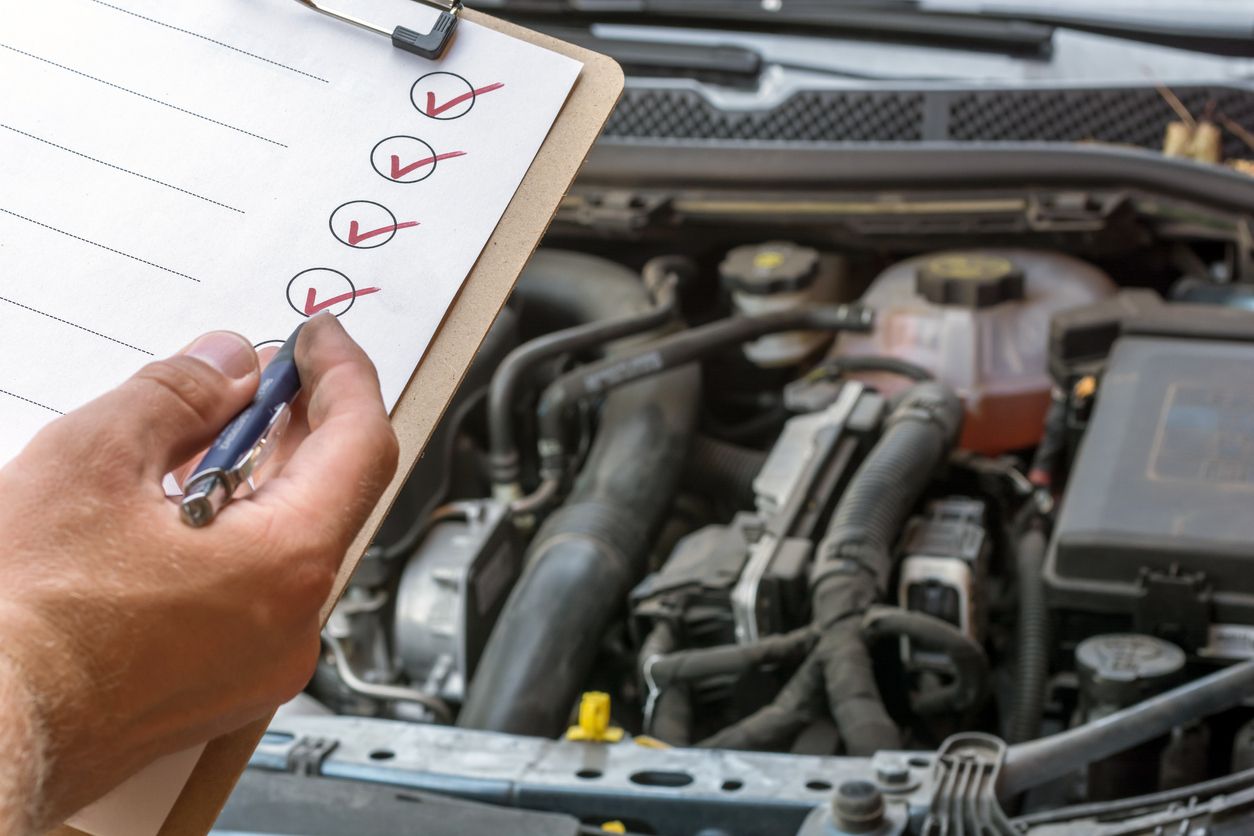
Cars have become an essential part of our daily lives, offering the convenience of transportation, whether it's for work, leisure, or errands. However, just like any other complex machine, your car requires regular maintenance and services to ensure that it continues to operate efficiently and safely. Regular car services are the cornerstone of vehicle care, extending its lifespan, improving its performance, and ensuring safety on the road. This article will explore why regular car services are vital, what they include, and how they can save you money in the long run.
Why Regular Car Services Matter
-
Enhancing Safety on the Road: Car services are essential for maintaining the safety features of your vehicle. The tires, brakes, steering, suspension, and other critical systems all need regular checks to ensure they are functioning properly. For instance, worn-out brake pads or tires with insufficient tread can lead to dangerous driving conditions, especially in wet or icy weather. By keeping up with regular car services, you’re reducing the chances of unexpected malfunctions, which can lead to accidents or breakdowns.
-
Preventing Unexpected Breakdown: There’s nothing worse than being stranded on the side of the road due to an unexpected breakdown. Many car problems start small but can quickly escalate into more significant, expensive issues if left unchecked. Regular servicing helps detect problems early before they cause complete system failure. Whether it's an issue with the engine, transmission, or electrical system, routine checks can identify these problems early and fix them before they lead to a larger breakdown.
-
Improving Fuel Efficiency: A well-maintained car operates more efficiently and consumes less fuel. Regular car services, such as oil changes, air filter replacements, and tire pressure checks, help ensure that your vehicle runs at its optimal fuel efficiency. For instance, a clogged air filter or low tire pressure can decrease your car’s fuel economy, resulting in more trips to the gas station. By keeping your car in tip-top shape, you’ll save money on fuel and reduce your carbon footprint.
-
Prolonging the Life of Your Car: Just like any machine, a car needs regular care to keep it running smoothly for years. Proper servicing can extend the lifespan of your vehicle, allowing you to enjoy many more miles of trouble-free driving. Tasks like oil changes, brake inspections, and fluid checks help ensure that your car’s components are working as they should, preventing wear and tear that could lead to costly repairs. Regular car servicing helps maintain your car’s value and usability over time.
-
Maintaining Resale Value: If you plan on selling your car in the future, keeping it regularly serviced can help maintain its resale value. Buyers are more likely to purchase a vehicle that has a complete service history, indicating that the car has been well-maintained and cared for. A well-documented service record can show that your vehicle is in good condition and has been regularly inspected for potential issues.
Common Types of Car Services
Car services cover a wide range of tasks, depending on the make and model of your vehicle. Some services are standard and should be performed regularly, while others may be necessary depending on the condition of your car. Below are some of the most common types of car services:
-
Oil Changes and Filter Replacements: Engine oil lubricates the engine’s moving parts, reducing friction and preventing overheating. Over time, oil breaks down and becomes contaminated with dirt and debris. Regular oil changes are crucial to keep the engine running smoothly. Along with the oil change, the oil filter should be replaced to ensure that the oil stays clean and effective.
-
Brake Inspections: Your vehicle’s brakes are essential for your safety. Brake pads, rotors, and brake fluid should be inspected regularly to ensure they’re in good working condition. Worn-out brake pads can increase the stopping distance, while low brake fluid can lead to brake failure. Regular brake checks help identify problems before they compromise your safety.
-
Tire Maintenance: Tires are one of the most important safety features of a vehicle. Regular tire checks ensure that the tires have sufficient tread, are properly inflated, and are free from damage. Low tire pressure can decrease fuel efficiency, and worn-out tires can affect handling, especially in adverse weather conditions. Tire rotations and balancing should also be done regularly to ensure even wear and extend the life of your tires.
-
Fluid Checks and Top-ups: Cars require a variety of fluids to operate correctly, including coolant, brake fluid, transmission fluid, power steering fluid, and windshield wiper fluid. These fluids should be checked and topped up regularly to ensure that all systems are functioning optimally. For example, low coolant levels can lead to engine overheating, while low transmission fluid can cause the transmission to fail.
-
Battery Maintenance: A car battery powers the vehicle’s electrical systems and starts the engine. A weak or old battery can leave you stranded, especially in extreme weather conditions. Regular battery checks help ensure that it is properly charged, free from corrosion, and functioning as it should. Replacing an aging battery before it fails can prevent an inconvenient and costly breakdown.
-
Air Filter Replacement: The air filter helps ensure that the engine receives clean air, which is necessary for efficient combustion. Over time, the air filter becomes clogged with dust, dirt, and debris, reducing the engine’s performance. Replacing the air filter regularly helps maintain fuel efficiency and engine performance.
-
Suspension and Steering System Check: The suspension system is responsible for providing a smooth ride and maintaining control of the vehicle. Regular checks of the shock absorbers, struts, and steering components can identify wear and prevent poor handling. If left unchecked, issues with the suspension system can affect the car’s stability and handling.
-
Exhaust System Inspection: The exhaust system controls harmful emissions and helps reduce noise. Regular inspections can identify leaks or blockages that can affect the vehicle’s performance and increase emissions. A well-maintained exhaust system ensures that your car runs efficiently and adheres to environmental standards.
How Often Should You Service Your Car?
The frequency of car 中港車租車 depends on the make and model of your vehicle, as well as the type of driving you do. However, the following general guidelines can help you stay on track with maintenance:
- Oil and Filter Change: Every 3,000 to 7,500 miles or every 3 to 6 months, depending on the type of oil used.
- Brake Inspection: Every 12,000 miles or once a year.
- Tire Rotation and Balance: Every 6,000 to 8,000 miles.
- Battery Check: Every 12 months.
- Fluid Checks: Every 6,000 to 12,000 miles, depending on the type of fluid.
- Full Service (Comprehensive Inspection): Every 12,000 miles or annually.
For specific recommendations, consult your vehicle’s owner manual.
Choosing the Right Car Service Provider
Selecting the right service provider is essential for ensuring that your car receives the best care. Consider these factors when choosing a mechanic or service center:
-
Reputation: Look for reviews and testimonials from previous customers. A reputable service provider will have a history of satisfied customers and positive feedback.
-
Experience and Certification: Ensure the technicians are trained and certified to work on your car. Certifications from recognized organizations such as ASE (Automotive Service Excellence) indicate expertise in the field.
-
Transparency and Pricing: Choose a service provider that offers clear, upfront pricing and explains the services being performed. Avoid mechanics who offer vague estimates or try to upsell unnecessary services.
-
Warranty: A reliable service provider will offer warranties on parts and labor, providing peace of mind that any issues will be addressed without additional costs.
Conclusion
Regular car services are an investment in the longevity, safety, and performance of your vehicle. By keeping up with routine maintenance tasks, you can prevent costly repairs, improve fuel efficiency, and ensure that your car runs smoothly for years to come. From oil changes to brake checks, these services keep your vehicle in top condition, helping you avoid unexpected breakdowns and ensuring a safer driving experience. Make car servicing a priority, and you’ll reap the benefits of a well-maintained vehicle, ultimately saving time, money, and hassle in the future.