
In today’s fast-paced world, mobile phones have become more than just communication tools; they are essential devices for managing our daily lives. From making calls and sending messages to accessing the internet, smartphones serve as hubs for everything from work to entertainment. But there’s a critical piece of technology that makes all of this possible: the SIM card (Subscriber Identity Module).
Though small in size, the SIM card is a powerful, multifaceted component that enables communication, security, and connectivity across the globe. In this article, we will explore the role of SIM cards, their evolution, and how they continue to shape the future of mobile technology.
What is a SIM Card?
A SIM card is a small, removable chip inserted into mobile devices such as smartphones, tablets, and even some wearable devices. It stores data that connects the device to a mobile carrier’s network, enabling it to send and receive calls, text messages, and data. Without a SIM card, a mobile device can’t access cellular services, rendering it unable to perform its primary function.
The SIM card is essentially the identity card of your mobile phone. It contains unique identification data, encryption keys, and network-specific information that help the device connect to the mobile network. Each SIM card is linked to a user’s phone number, allowing for seamless access to a carrier’s services, whether it’s voice calls, text messaging, or data transmission.
The Origins of SIM Cards
The concept of the SIM card was first introduced in 1991 when the GSM (Global System for Mobile Communications) standard was established. Before the invention of SIM cards, mobile phones were tethered to specific carriers, and switching phones or service providers was cumbersome. The introduction of SIM cards revolutionized the way users interacted with mobile networks by allowing them to swap out the SIM card from one device and use it in another. This provided flexibility and portability that had previously been impossible.
In the early days, SIM cards were larger and more cumbersome, but as mobile phones became more compact, the SIM card shrank in size, leading to the various iterations we have today.
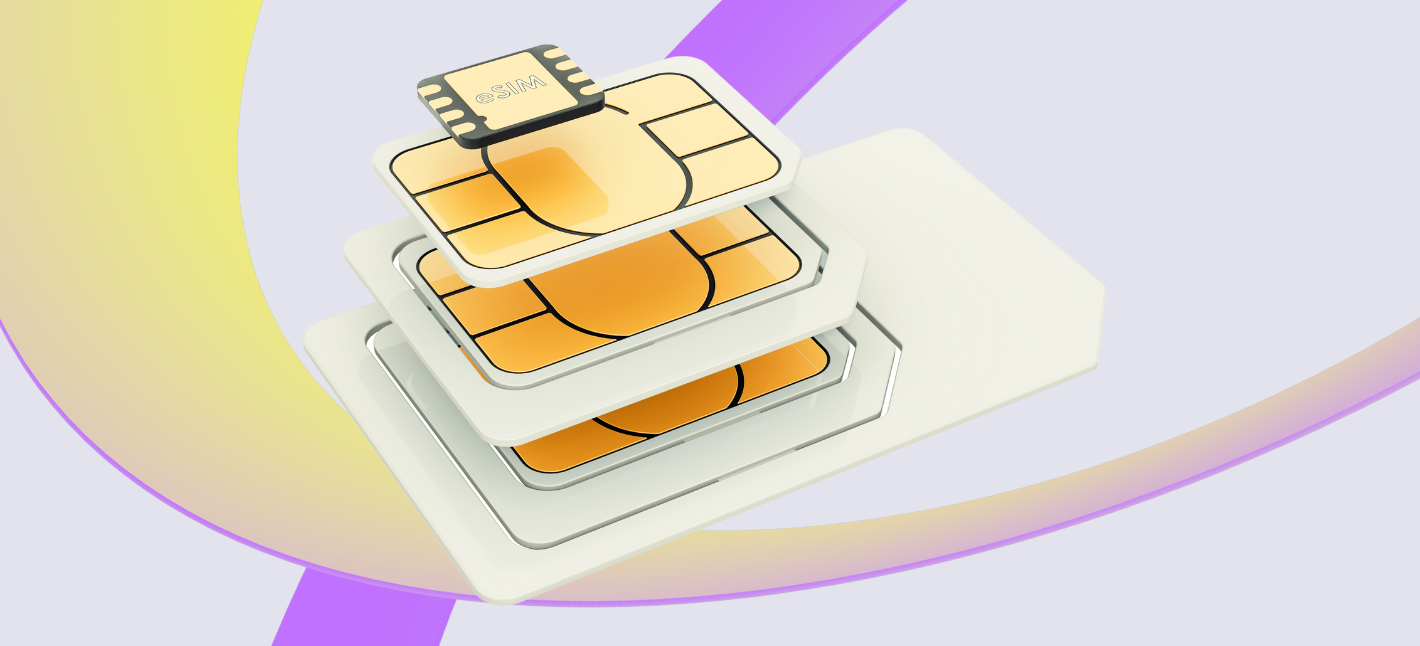
Types of SIM Cards: From Standard to Nano
Over the years, SIM cards have gone through several transformations to accommodate the increasingly smaller and sleeker designs of mobile devices. Here are the main types of SIM cards:
-
Standard SIM: The original SIM card, measuring 25mm x 15mm, was used in early mobile phones. While largely obsolete today, it is still found in older devices and some feature phones.
-
Micro SIM: Smaller than the standard SIM, the micro SIM card was introduced to fit newer, thinner smartphones. It measures 15mm x 12mm and is still used in some older or mid-range devices.
-
Nano SIM: Currently the most common size, the nano SIM card measures just 12.3mm x 8.8mm. Most modern smartphones, including those from Apple, Samsung, and others, use nano SIM cards due to their compact size and efficiency.
-
eSIM: The newest innovation, the embedded SIM (eSIM) is integrated directly into the device’s hardware. Unlike traditional SIM cards that can be physically swapped out, eSIM technology allows users to digitally switch between carriers or activate new plans remotely, without the need to physically remove a card. As mobile technology continues to evolve, eSIM is expected to be more widely adopted in the near future.
How SIM Cards Work
Although 電話卡 cards have become a cornerstone of modern communication, their functionality is often taken for granted. To better understand their role, let’s break down how a SIM card works:
-
Identification: When you insert your SIM card into a mobile device and power it on, the device uses the IMSI (International Mobile Subscriber Identity) stored on the SIM card to identify the user. The carrier’s network verifies this information, ensuring that the user is authorized to use the network’s services.
-
Authentication and Connection: Once the SIM card is authenticated, it establishes a secure connection with the network, enabling the device to send and receive calls, texts, and mobile data. The SIM card essentially acts as a gateway to the network, allowing the phone to access the services provided by the carrier.
-
Encryption: To ensure secure communication, SIM cards use encryption technology to protect calls, messages, and data. This encryption prevents unauthorized access to sensitive information, ensuring that mobile communications remain private.
-
Roaming: SIM cards are also responsible for enabling roaming, allowing users to stay connected when traveling outside their home country. When a user enters a new region, the SIM card automatically connects to a local carrier, enabling voice and data services at lower rates than international roaming.
The Advantages of Using SIM Cards
SIM cards offer several key advantages that have made them the backbone of mobile communication:
-
Portability and Flexibility: One of the greatest advantages of SIM cards is their portability. They allow users to easily switch between devices or carriers without losing access to their phone number, contacts, or service plan. Whether you upgrade your phone or need to use a backup device, the SIM card makes it easy to maintain continuity.
-
Global Connectivity: SIM cards are essential for global communication, enabling users to stay connected while traveling internationally. By swapping out a domestic SIM card for a local one, travelers can avoid costly international roaming fees and enjoy more affordable rates for calls, texts, and data.
-
Dual SIM Capability: Some modern smartphones support dual SIM functionality, allowing users to insert two SIM cards into the same device. This feature is especially beneficial for people who want to keep separate work and personal numbers or for international travelers who need to use a local SIM card alongside their home SIM card.
-
Security: SIM cards are designed with security in mind. They store encryption keys that help protect the privacy of mobile communications. Additionally, SIM cards often have a PIN code feature that locks the device if it’s lost or stolen, providing an added layer of protection.
The Rise of eSIM: The Future of Mobile Connectivity
The introduction of eSIM technology is transforming the way we think about SIM cards. Unlike traditional SIM cards, which are removable and require physical swapping, eSIMs are embedded directly into the device’s hardware. This technology allows users to switch between carriers digitally, without needing to physically handle a SIM card. The benefits of eSIMs include:
- Flexibility: Users can easily switch between networks, activate new service plans, and even manage multiple profiles (e.g., work and personal lines) without changing SIM cards.
- Space-Saving: eSIMs eliminate the need for a physical SIM card slot, allowing device manufacturers to save space in smartphones and other compact devices like smartwatches and tablets.
- Global Compatibility: With an eSIM, users can activate local plans when traveling abroad, saving on roaming charges and ensuring that their device remains connected in multiple regions.
As the adoption of eSIM technology increases, it is expected to replace traditional SIM cards in a wide range of devices, from smartphones and tablets to connected devices in the Internet of Things (IoT).
SIM Cards and the Future of Mobile Communication
With the evolution of 5G networks, SIM cards will continue to play a pivotal role in ensuring reliable and secure communication. As the demand for high-speed mobile data grows, SIM cards will need to support the increased network capacity and provide enhanced security features to keep up with emerging threats.
The development of multi-SIM technology could also lead to more specialized uses, such as dedicated SIM cards for IoT devices or smart cities, where seamless connectivity and minimal power consumption are critical.
Conclusion
Despite being small and often hidden within the depths of your smartphone, the SIM card is one of the most critical elements of mobile communication. From facilitating secure and encrypted communication to allowing users to roam freely across the globe, the SIM card is the silent enabler of our connected lives.