
The Silent Symphony of Design and Innovation
Imagine standing before a window where ancient crafts meet futuristic algorithms—a space where art breathes through wires. In the world of jewelry manufacturing, this is becoming the norm. While many have relics passed down through generations, a new trend of technology-driven design emerges to captivate our senses. Within this interplay, jewelry manufacturers are no longer just artists; they are engineers of beauty—yes, they create dreams with practical precision. A crucial question arises: how do they balance these realms with equal grace? As we peer through this interdisciplinary lens, we unravel the era’s nuanced narrative.
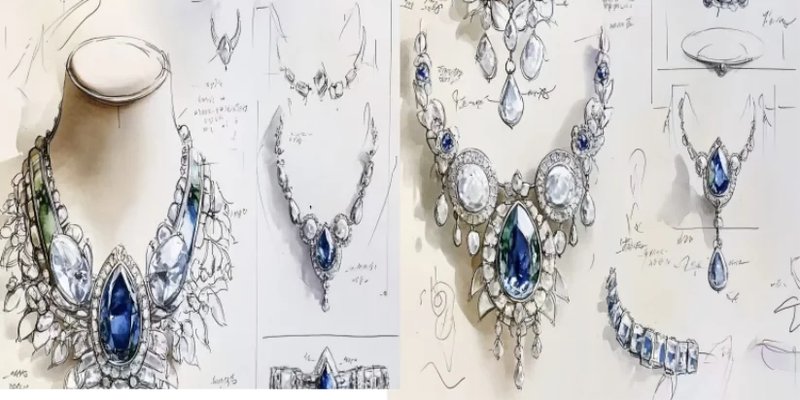
Why Tradition Alone Can’t Carry the Weight
Glossy finish, intricate carvings, undying allure—traditional craftsmanship offers much. Yet, reliance on age-old techniques alone reveals certain inefficiencies and gaps. For instance, when it comes to jewelry supplies, there’s a persistent challenge of meeting modern demands swiftly. Without the integration of cutting-edge technologies like CAD (Computer-Aided Design) or AI-driven pattern recognition, the process remains arduous. Traditional artisans often grapple with issues such as lack of precision in complex designs or slow production timelines. Look, it’s simpler than you think: These issues gradually overshadow the vibrant forms they aim to celebrate. Applying power converters to optimize production speed or using edge computing nodes for design precision can bridge these archaic rifts.
Are We Really At a Crossroads?
Think of it this way: innovation has to guide our hands to create and not just to imitate. When technology enriches tradition, a tapestry of possibilities is woven, where precision meets poise – interesting how worlds collide this way. Shall we explore further?
Envisioning Tomorrow: Beyond Craft and Code
As we pivot towards the future, the infusion of technology in jewelry manufacturing paints an exciting canvas. Imagine using IoT (Internet of Things) as a transformative force to link multiple jewelry supplies sources in real-time, thereby ensuring seamless and constant workflow. New principles are guiding these advancements. For instance, digital twins allow manufacturers to simulate vast product iterations, cutting down both cost and time—magic right? This forward-thinking documentation not only betters inventory management but also reshapes consumer experiences.
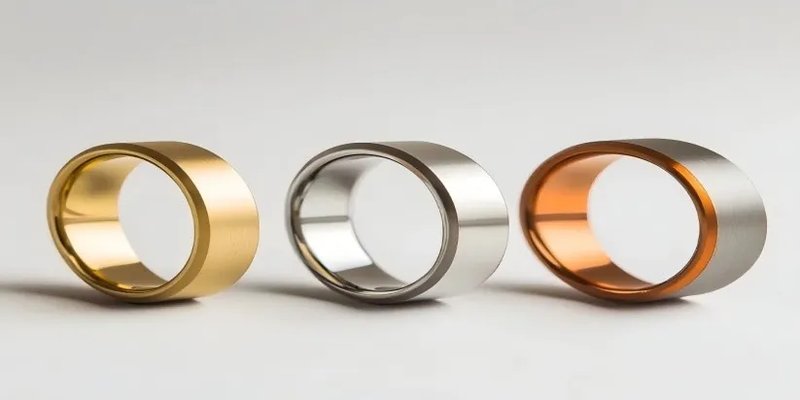
The Real-world Impact
Here’s the kicker: such innovations introduce sustainability into the palette. By optimizing material usage and cataloguing energy expenditures, brands are setting new benchmarks. The trajectory is compelling, aligning with today’s global emphasis on eco-friendly production. The coming landscape may very well see grandma’s vintage touch meshed with tomorrow’s smart solutions. It’s a narrative that enlightens, from brilliant artistry to strategic advancements. So where do we stand after this journey? Maybe somewhere between the tangible past and a digital horizon.
The notes and nuances, the change in tempo—our understanding shifts. We grasp the lessons: array precision, legacy reverence, and innovative tenacity. For those navigating this evolving world of jewelry design, three metrics illuminate the path: Production agility, design detail, and sustainability quotient. These guide cohesive decision-making. Dive deeper with Star Harvest, where each sparkle tells a story untold.