Author: AlexSmith

Best Forex Pairs to Trade When Using Leverage TradingBest Forex Pairs to Trade When Using Leverage Trading

Trading in the forex market can be both exciting and challenging, especially for those who are learning about leverage trading. Understanding the best forex pairs to trade is essential for making informed decisions. This guide will provide a comprehensive overview of how to approach trading with leverage and selecting the right forex pairs for your strategy.

Understanding Leverage Trading in Forex

Leverage trading allows traders to control a larger position in the forex market with a smaller amount of capital. This means you can amplify your profits, but it also increases your risk. Leverage is a tool that must be used carefully to ensure that your trades remain manageable and within your risk tolerance.

What Are Forex Pairs?

Forex pairs consist of two currencies, where one is exchanged for another. The first currency is known as the base currency, and the second is the quote currency. Knowing how forex pairs work is essential for successful trading, as it helps you understand how price movements affect your positions.

Major Forex Pairs to Consider

Major forex pairs include the most traded currencies in the world, such as EUR/USD, GBP/USD, and USD/JPY. These pairs are highly liquid, making them easier to trade, and they often have lower spreads, which reduces trading costs.

Why Choosing the Right Forex Pairs Matters

Selecting the best forex pairs to trade impacts your ability to use leverage effectively. Trading highly liquid pairs can help you manage your positions and minimize the risk of slippage. Choosing pairs that align with your trading strategy also improves your potential for profitable trades.

Factors Influencing Forex Pair Selection

Several factors influence which forex pairs are best for trading with leverage. Consider market volatility, economic news, and the currency’s strength. These elements affect price movement and can help traders make better decisions when opening positions.

How to Analyze Forex Pairs for Leverage Trading

Analyzing forex pairs involves studying their price action, understanding trends, and using technical indicators. Combining analysis techniques allows you to identify potential opportunities for leverage trading while keeping risk under control.

Common Mistakes in Leverage Trading

One of the most common mistakes is overusing leverage. Traders may try to amplify profits without considering the increased risk. Choosing inappropriate forex pairs can also lead to unexpected losses. Always focus on pairs you understand and that fit your trading style.

Risk Management in Leverage Trading

Proper risk management is vital when trading forex pairs with leverage. Set stop-loss levels, calculate position sizes, and determine your risk per trade. These steps help you protect your capital while allowing you to take advantage of trading opportunities.

Tips for Trading the Best Forex Pairs

Focus on trading major and highly liquid pairs, monitor economic news, and practice disciplined trading strategies. These tips help you maximize the benefits of leverage trading while minimizing risks associated with unpredictable price movements.

Developing a Trading Plan

A clear trading plan is crucial for success in leverage trading. Define your goals, select forex pairs carefully, and outline your entry and exit strategies. A well-structured plan ensures consistency and helps you remain disciplined, even during volatile market conditions.

Trading the what is leverage trading requires knowledge, patience, and a careful approach. By understanding how forex pairs work, analyzing market conditions, and applying strong risk management, traders can take advantage of opportunities while managing potential risks. This comprehensive approach allows traders to use leverage effectively while focusing on the most suitable forex pairs for their trading style.

The Complete Guide to Risk-Free Skill Development and Advanced Derivatives StrategiesThe Complete Guide to Risk-Free Skill Development and Advanced Derivatives Strategies

Building a successful trading career requires a foundation of genuine competence developed through extensive practice and systematic skill building before risking real capital in live markets. The financial markets reward preparation and punish those who skip essential developmental steps in their rush to begin trading with real money. Understanding What is paper trading and how to leverage simulated trading environments effectively can dramatically accelerate learning curves while protecting aspiring traders from the devastating early losses that derail countless promising careers before they ever truly begin.

The Foundation of Trading Success

Every accomplished professional in demanding fields understands that excellence emerges from extensive practice conducted before performing under actual pressure. Surgeons train on simulations before operating on patients. Pilots spend countless hours in flight simulators before commanding aircraft. Athletes drill fundamentals repeatedly before competing in actual games. Yet surprisingly, many aspiring traders inexplicably skip this essential developmental phase.

The financial markets present unique challenges demanding thorough preparation. Unlike many other endeavors, trading mistakes immediately translate into monetary losses, creating psychological pressures that compound technical deficiencies. Traders lacking proper preparation often make emotional decisions, abandon strategies prematurely, and develop harmful habits proving difficult to break later.

The statistics surrounding retail trading success paint a sobering picture deserving serious attention. Studies consistently show that the majority of new traders lose money during their first year of trading, with many abandoning trading entirely after depleting their accounts. These failures rarely result from lack of intelligence or dedication but rather from insufficient preparation and premature live trading engagement.

Simulated trading environments provide invaluable opportunities to develop genuine skills without financial risk. These platforms replicate real market conditions, enabling aspiring traders to practice order execution, test strategies, and experience market dynamics without the psychological burden of potential monetary losses.

Understanding Simulated Trading Environments

Modern trading simulation technology has advanced remarkably, creating practice environments closely mirroring actual market conditions. These platforms provide real-time price data, realistic order execution, and comprehensive analytical tools preparing traders for eventual live market participation.

Real-time data feeds provide current market prices, creating authentic trading experiences that transfer effectively to live trading. Traders see identical price movements, volatility patterns, and market dynamics affecting real money accounts, ensuring skills developed during simulation remain applicable during live trading.

Order execution simulation replicates the mechanics of placing and managing trades across all standard order types. Traders practice market orders, limit orders, stop orders, and various conditional order types without risking capital. Understanding these mechanics thoroughly before live trading prevents costly execution errors.

Account simulation tracks hypothetical portfolio performance over time, providing realistic feedback on strategy effectiveness. Traders monitor profit and loss, drawdowns, and various performance metrics just as they would with real accounts, enabling honest assessment of trading approaches.

Platform familiarity develops naturally through simulated trading practice. Learning to navigate trading interfaces, access analytical tools, and execute orders efficiently requires hands-on experience that simulation provides abundantly without financial consequences.

Maximizing Practice Trading Effectiveness

Not all practice trading delivers equal educational value. Understanding how to maximize learning during simulation ensures time invested produces genuine skill development rather than false confidence.

Treating simulated trading seriously produces better learning outcomes than casual approaches. Traders who execute simulation trades with the same discipline and analysis they would apply to real money develop habits that transfer effectively to live trading.

Realistic position sizing during simulation prepares traders for actual capital constraints. Trading unrealistically large positions during practice can create false expectations about profit potential and risk exposure that disappoint during live trading transitions.

Complete trade documentation including entry rationale, exit reasoning, and emotional observations creates valuable learning material. Regular review of documented trades reveals patterns in both successful and unsuccessful trading that inform improvement efforts.

Extended simulation periods allow comprehensive market condition exposure. Brief practice periods may coincide with specific market environments that don't represent full condition ranges. Longer simulation ensures exposure to trends, ranges, high volatility, and low volatility periods.

The Psychology of Practice Trading

Simulated trading cannot fully replicate the psychological intensity of risking real money, but it does provide essential psychological preparation for eventual live trading.

Decision-making under uncertainty develops through practice trading even without financial risk. Markets present ambiguous situations requiring judgment calls regardless of whether real money is involved. Repeated decision-making builds analytical confidence.

Loss acceptance begins developing during simulation as traders experience losing trades and drawdown periods. Understanding that losses represent normal trading aspects rather than personal failures begins during practice and continues developing throughout trading careers.

Patience cultivation occurs as traders wait for valid setups during practice rather than forcing trades from boredom. This patience proves essential during live trading when impatience can generate costly impulsive trades.

Discipline building starts during simulation as traders follow their rules despite temptation to deviate. Establishing disciplined habits during risk-free practice makes maintaining discipline during live trading significantly easier.

Transitioning from Simulation to Live Trading

Moving from simulated trading to live markets represents a critical transition requiring careful management. The psychological differences between practice and real money trading significantly impact performance.

Starting with minimal position sizes limits initial live trading exposure while providing genuine market experience. Many successful traders recommend beginning with the smallest possible positions regardless of simulation success, gradually increasing size as live profitability demonstrates genuine competence.

Expecting performance degradation during transition helps maintain realistic expectations. Most traders experience worse results initially in live markets compared to simulation due to psychological factors rather than strategy inadequacies. Understanding this dynamic prevents premature strategy abandonment.

Maintaining practice alongside live trading enables continued skill development and strategy testing. Even experienced traders benefit from testing new approaches in simulation environments before implementing changes in live accounts.

Gradual capital deployment prevents catastrophic early losses that can end trading careers. Rather than funding accounts fully at the outset, incremental capital addition as demonstrated profitability justifies larger positions protects overall financial resources.

Exploring Advanced Derivatives Instruments

Beyond basic futures contracts, sophisticated traders access additional derivatives instruments enabling complex strategies impossible through simpler instruments alone. Understanding these tools expands strategic possibilities.

Options contracts provide rights without obligations, giving buyers the choice whether to execute transactions at predetermined prices. This asymmetric payoff structure creates unique strategic opportunities unavailable through futures or underlying assets alone.

Call options provide rights to purchase underlying assets at specified strike prices before expiration dates. Buyers profit when underlying prices rise above strike prices by more than premium paid, while sellers profit when prices remain below strikes.

Put options provide rights to sell underlying assets at specified strike prices before expiration dates. Buyers profit when underlying prices fall below strike prices by more than premium paid, while sellers profit when prices remain above strikes.

Options on futures combine options characteristics with futures market access. These instruments provide leveraged exposure to underlying assets with customizable risk profiles enabling sophisticated strategy construction.

Strategic Applications of Derivatives

Derivatives strategies range from simple directional bets to complex multi-leg constructions addressing nuanced market views. Developing proficiency across multiple strategies enables appropriate approach selection for different conditions.

Directional strategies seek profits from anticipated price movements in underlying assets. Long calls profit from rising prices, long puts profit from falling prices, and various spread combinations provide modified directional exposure with different risk characteristics.

Income generation strategies collect options premium through selling contracts to other market participants. Covered calls, cash-secured puts, and various spread strategies generate income from time decay and volatility overpricing while accepting defined risks.

Hedging applications protect existing positions against adverse price movements. Protective puts limit downside risk on long positions, while various collar strategies provide protection while reducing or eliminating hedging costs.

Volatility strategies profit from volatility changes regardless of price direction. Straddles, strangles, and butterfly spreads address expectations about volatility magnitude rather than directional movement.

Risk Characteristics of Options Trading

Options trading presents unique risk characteristics requiring thorough understanding before engagement. The complexity of these instruments demands additional education beyond basic futures trading knowledge.

Time decay affects all options positions, with option values declining as expiration approaches regardless of price movements. Option buyers must contend with this constant value erosion, while option sellers benefit from it.

Implied volatility changes impact option values independent of underlying price movements. Volatility increases raise option values while decreases reduce them. Understanding volatility dynamics proves essential for options trading success.

Assignment risk affects options sellers who may be required to fulfill contract obligations if buyers exercise their rights. Understanding assignment mechanics and managing associated risks prevents unexpected obligations.

Complexity increases substantially with multi-leg strategies involving multiple options positions. Tracking aggregate exposure, understanding interaction effects, and managing positions appropriately requires sophisticated understanding.

Combining Practice Trading with Advanced Instruments

Simulated trading proves particularly valuable when learning complex derivatives strategies. The additional complexity of options trading amplifies the importance of risk-free practice.

Strategy mechanics become clear through practice execution without financial consequences. Understanding how different strategies behave across various market conditions develops through experiential learning that simulation enables.

Greeks understanding deepens through observing how option positions respond to changes in underlying prices, time, and volatility. Delta, gamma, theta, and vega effects become intuitive through repeated observation during practice trading.

Position management skills develop as traders learn to adjust, roll, and close complex positions appropriately. These skills prove essential for real-money options trading but can be developed risk-free during simulation.

Mistake learning during practice prevents costly errors during live trading. Complex strategies offer numerous opportunities for errors that simulation trading reveals without financial penalty.

Risk Management Across Trading Approaches

Effective risk management protects trading capital regardless of which instruments or strategies traders employ. Consistent risk control enables survival through inevitable adverse periods.

Position sizing represents the most critical risk management decision. Determining appropriate exposure based on account size, risk tolerance, and specific trade characteristics prevents individual trades from threatening overall account viability.

Maximum loss definition through stop losses or option strategy construction limits potential damage from any single trade. Understanding and accepting potential losses before trade entry ensures positions align with risk tolerance.

Portfolio-level monitoring tracks aggregate exposure across all open positions. Individual positions may appear properly sized while aggregate exposure exceeds appropriate levels, particularly when correlations exist between positions.

Capital preservation prioritization recognizes that protecting capital takes precedence over profit maximization. Traders who preserve capital through difficult periods remain positioned to profit from future opportunities.

Technology Supporting Trading Development

Modern technology enables effective practice trading and eventual live market participation through sophisticated platforms and supporting infrastructure.

Simulation platforms providing realistic market experience with comprehensive features support effective skill development. Platform selection for practice trading should prioritize realism and feature completeness.

Charting and analysis tools enable the technical analysis underlying most trading decisions. Comprehensive charting capabilities with extensive indicator libraries support sophisticated market analysis.

Order management functionality determines strategy implementation precision. Understanding available order types and their applications enables more effective trade execution.

Mobile capabilities provide market monitoring and position management when away from primary trading stations. These tools support flexible trading lifestyles and emergency response capabilities.

Building Long-Term Trading Careers

Creating sustainable trading careers requires approaches extending beyond immediate trading activities to encompass comprehensive career development.

Continuous education ensures traders remain current with evolving markets and emerging techniques. Trading knowledge requires ongoing development throughout trading careers.

Performance analysis enables honest assessment and identification of improvement opportunities. Detailed record keeping and regular review support continuous refinement.

Community engagement provides support, accountability, and knowledge sharing that enhances development. Connecting with other traders reduces isolation and accelerates learning.

Lifestyle sustainability maintains long-term career viability through appropriate work-life balance. Trading intensity demands recovery time for sustained high performance.

Conclusion

The journey toward trading success requires patient skill development through extensive practice before risking real capital in live markets. Simulated trading environments provide invaluable opportunities to develop genuine competence while protecting aspiring traders from the devastating early losses that end countless promising careers. For those ready to advance beyond practice into sophisticated market participation with professional-level tools and capital access, exploring futures options trading provides pathways to diverse strategies and opportunities that reward thoroughly prepared traders with sustainable success in global financial markets.

The path to trading mastery demands dedication, patience, and systematic skill development over extended timeframes. By combining thorough practice with continuous learning and disciplined execution, aspiring traders can transform their ambitions into rewarding careers achieving both financial success and professional fulfillment.

Why MT5 Is the Preferred Platform for Top Prop Trading FirmsWhy MT5 Is the Preferred Platform for Top Prop Trading Firms

When it comes to prop firm trading, selecting the right platform is critical for success. Among the various options available, the MT5 trading platform stands out as the preferred choice for top prop trading firms around the world. Its versatility, advanced features, and robust infrastructure make it ideal for traders managing funded accounts at a best prop firm.

Multi-Asset Capability

One of MT5’s biggest advantages is its ability to handle multiple asset classes from a single platform:

  • Forex pairs
  • Stocks and equities
  • Commodities
  • Indices
  • Cryptocurrencies

This flexibility allows prop traders to diversify their strategies and respond to opportunities across various markets without needing separate platforms.

Advanced Charting and Technical Analysis

MT5 trading platform offers a wide range of charting and analysis tools that are essential for professional traders:

  • Multiple Timeframes: Analyze price action from minutes to monthly charts.
  • Built-in Indicators: Over 80 technical indicators for trend analysis, oscillators, and volume studies.
  • Custom Indicators: Ability to program and import custom indicators for specialized strategies.
  • Multiple Chart Types: Candlestick, bar, line, Renko, and Heikin-Ashi charts to suit different trading styles.

These features allow prop firm traders to conduct comprehensive market analysis, a key factor for consistent performance.

Expert Advisors and Automation

Automation is crucial for efficiency, speed, and strategy discipline:

  • Expert Advisors (EAs): Fully automate trading strategies, including entries, exits, and risk management.
  • Strategy Tester: Backtest and optimize strategies using historical data before risking a funded account.
  • VPS Integration: Ensure continuous operation of automated strategies without interruptions.

The ability to automate trading ensures consistency, reduces emotional decision-making, and aligns with the rigorous rules of a best prop firm.

Risk Management Tools

Prop firms require strict adherence to risk limits. MT5 provides:

  • Stop-loss and take-profit orders
  • Trailing stops
  • Position sizing tools
  • Equity alerts and notifications

These built-in tools help traders comply with prop firm drawdown rules and maintain disciplined trading.

High Execution Speed and Reliability

MT5 is designed for fast and reliable order execution:

  • One-click trading for instant order placement
  • Depth of market (DOM) to see liquidity and market levels
  • Integration with VPS for low-latency execution
  • Multi-threaded strategy tester for optimized backtesting

High execution speed is critical for scalpers, high-frequency traders, and funded account managers where milliseconds can make a difference.

Security and Account Protection

Prop firm accounts are often large and must be protected against unauthorized access:

  • Encrypted data transmission
  • Separate trader and investor passwords
  • SSL/TLS protocol for secure communication
  • Alerts for suspicious activity

These security features help prop traders maintain the integrity of their accounts and ensure trust with their funding firms.

Community and Support

MT5 benefits from a large global community and extensive documentation:

  • Forums, blogs, and tutorials for technical support
  • Ready-made indicators, scripts, and EAs shared among traders
  • Regular platform updates with performance and feature improvements

Support and resources help prop traders continually improve strategies and adapt to changing market conditions.

Compliance with Prop Firm Requirements

Top prop firms prefer MT5 because it supports:

  • Automated trading with monitoring options
  • Multi-asset trading for diverse strategies
  • Advanced risk management tools
  • High execution reliability and VPS compatibility

This combination ensures traders meet the standards required by best prop firm evaluations and maintain consistent profitability.

Conclusion

The MT5 trading platform has become the preferred choice for top prop trading firms because it combines flexibility, speed, automation, and security. Its multi-asset capability, advanced charting, robust risk management, and reliability provide traders with everything needed to succeed in funded account environments. For anyone aiming to excel at a best prop firm, MT5 offers the tools, stability, and professional environment necessary for long-term trading success.

What Is Paper Trading and Why It’s the Perfect Way to Prepare for Forex Futures TradingWhat Is Paper Trading and Why It’s the Perfect Way to Prepare for Forex Futures Trading

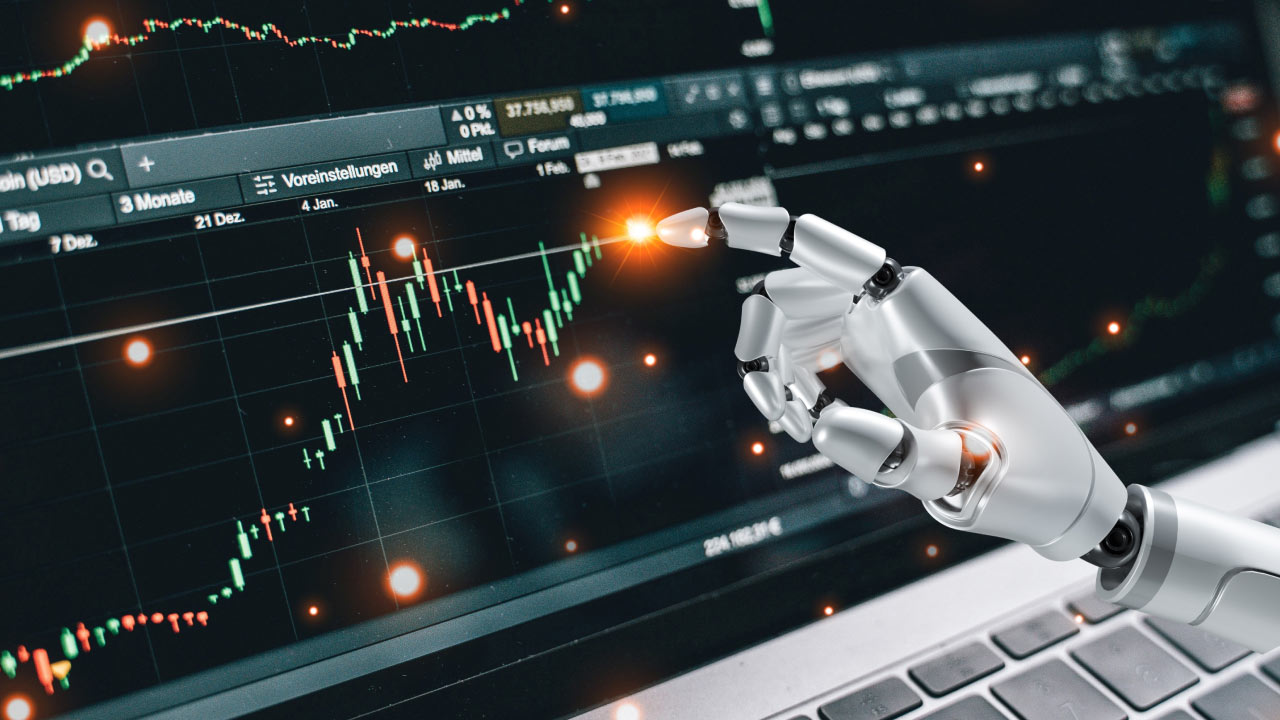
Benefits and Risks of Using AI in Trading: A robotic hand interacting with a forex trading chart on a computer screen, symbolizing AI-driven trading strategies.

For many aspiring traders, the world of forex futures trading can be both exciting and intimidating. The potential for profit is significant, but the risks are equally real. One of the best ways to bridge the gap between theoretical knowledge and real-market experience is through paper trading. But what exactly is paper trading, and why is it considered the perfect preparation for diving into forex futures trading? Let’s explore.

What Is Paper Trading?

Paper trading is a simulated trading process where individuals practice buying and selling financial instruments without risking actual money. Historically, traders would literally write down their trades on paper — hence the name. Today, most paper trading occurs through trading platforms that simulate real market conditions, allowing users to place trades using virtual funds.

This form of trading offers a risk-free environment to test strategies, understand market dynamics, and get familiar with the trading platform interface. It’s essentially a practice round, helping traders build confidence and skills before they commit real capital.

The Basics of Forex Futures Trading

Before diving into why paper trading is so valuable, it’s important to understand the basics of forex futures trading itself. Forex futures are standardized contracts to buy or sell a specific amount of a currency at a predetermined price on a specified future date. Unlike spot forex trading, which happens immediately, futures contracts have set expiration dates.

Forex futures are traded on regulated exchanges, which adds transparency and reduces counterparty risk. These contracts allow traders to hedge against currency fluctuations or speculate on future price movements. Due to leverage and volatility, forex futures can offer attractive opportunities but also come with higher risks.

Why Paper Trading Is Essential for Forex Futures Trading

1. Risk-Free Learning Environment

The most obvious benefit of paper trading is that it allows traders to learn without risking their capital. Forex futures trading can be complex due to factors like leverage, margin requirements, and contract specifications. Mistakes in a live account can be costly, but paper trading removes this risk entirely.

New traders can experiment with different strategies and see how they perform in various market conditions. They can learn to interpret charts, manage stop losses, and understand how fees and slippage affect their trades—all without the pressure of losing real money.

2. Builds Confidence and Discipline

Trading is not just about strategy; it’s also about mindset. Many traders fail because they cannot control their emotions or stick to their trading plan. Paper trading helps develop the discipline necessary for successful trading.

By practicing consistently in a simulated environment, traders build confidence in their decision-making process. They learn how to stick to their strategies, manage risk, and avoid impulsive trades. This emotional training is invaluable when transitioning to live forex futures trading, where real money is at stake.

3. Familiarizes You with Trading Platforms

Every futures trading platform has its own interface, features, and order types. Paper trading allows you to get hands-on experience with the tools and functionalities of the platform you intend to use for forex futures trading.

Whether it’s setting up limit orders, using stop-loss orders, or understanding margin calls, paper trading ensures you won’t be fumbling when real money is involved. This familiarity can reduce costly errors and improve execution speed in live trading.

4. Helps Test and Refine Trading Strategies

One of the key advantages of paper trading is the ability to test different trading strategies without financial risk. Traders can simulate trades based on technical analysis, fundamental data, or automated systems.

By analyzing the outcomes of their simulated trades, they can identify what works and what doesn’t, and refine their strategies accordingly. This trial-and-error approach is critical in forex futures trading, where market conditions constantly evolve and no single strategy works all the time.

5. Understands Market Volatility and Risk Management

Forex futures markets are often highly volatile, with prices changing rapidly in response to economic events, geopolitical news, and other factors. Paper trading exposes traders to this volatility and helps them understand how to manage it.

Through simulated trading, traders learn to set appropriate stop losses, take profits, and size positions based on their risk tolerance. Proper risk management is one of the cornerstones of successful forex futures trading, and paper trading provides a safe space to practice these skills.

6. Evaluates Psychological Response to Market Conditions

Market conditions can provoke strong emotional responses such as fear, greed, or panic. These emotions can lead to poor trading decisions like overtrading or abandoning strategies prematurely.

Paper trading helps traders observe their psychological reactions to wins and losses without financial consequences. Over time, this awareness allows traders to develop emotional resilience and maintain rational decision-making under pressure.

Tips for Effective Paper Trading in Forex Futures

To get the most out of paper trading, consider the following tips:

  • Treat it seriously: Approach paper trading as if it were real money on the line. This mindset will prepare you better for live trading.
     
  • Track your trades: Keep a journal of your trades, including reasons for entering/exiting, outcomes, and lessons learned.
     
  • Incorporate real-time news: Forex futures react to global economic events, so incorporate market news and fundamentals in your simulated trading.
     
  • Set realistic goals: Use paper trading to achieve specific learning objectives, such as mastering platform tools or testing risk management techniques.
     
  • Transition gradually: Once comfortable with paper trading, start live trading with small positions to bridge the gap between simulation and reality.
     

Conclusion

Understanding what is paper trading and its advantages is crucial for anyone looking to succeed in forex futures trading. Paper trading offers a risk-free way to gain market experience, test strategies, and build the psychological and technical skills necessary for trading futures contracts effectively.

By dedicating time to paper trading, you can minimize costly mistakes, increase confidence, and develop disciplined habits that will serve you well when you eventually start trading with real money. In the fast-paced and sometimes volatile world of forex futures, preparation is everything — and paper trading is the perfect starting point.

Exploring European Prop Trading with Firms in the UK and GermanyExploring European Prop Trading with Firms in the UK and Germany

Prop trading has become an integral part of the financial markets in Europe, providing traders with opportunities to access capital, develop trading strategies, and grow their skills. In particular, prop firms in the UK and Germany have emerged as key players in shaping the landscape of European trading. By partnering with these firms, traders can unlock new avenues for learning and profit while benefiting from structured trading environments.

Understanding Prop Firms in the UK

Prop firms in the UK have a long-standing reputation for offering traders access to capital and professional trading platforms. These firms allow traders to manage large positions with lower personal risk, which can help accelerate the learning curve and improve trading discipline. A UK-based prop firm often emphasizes structured risk management, which teaches traders how to control losses and optimize gains. The trading environment provided by these firms is designed to foster skill development, allowing traders to focus on strategy execution rather than worrying about capital limitations.

The Role of German Prop Firms

Similarly, German prop firms play a vital role in the European trading ecosystem. These firms provide access to a wide range of financial instruments, including Forex, commodities, and indices. German prop firms often prioritize analytical trading approaches and encourage traders to leverage advanced trading platforms and tools. By engaging with a prop firm in Germany, traders can gain experience in systematic trading and develop a strong understanding of market dynamics. Both UK and German prop firms aim to create professional environments that support consistent growth and learning for their traders.

Trading Opportunities in Europe

Europe offers a diverse range of trading opportunities, which can be explored through prop firms in both the UK and Germany. Traders can access currency markets, indices, commodities, and equities, depending on the firm’s specialization. These opportunities allow traders to develop multiple strategies and diversify their trading experience. By leveraging the resources provided by prop firms, such as capital, risk management protocols, and professional mentorship, traders can build a robust foundation for long-term success.

The Importance of Risk Management

Risk management is a cornerstone of prop trading in both the UK and Germany. Prop firms emphasize controlled exposure to market volatility, ensuring that traders learn to protect capital while taking advantage of profitable opportunities. By understanding position sizing, stop-loss placement, and risk-to-reward ratios, traders can develop strategies that are sustainable in the long run. This focus on disciplined trading allows traders to navigate market fluctuations effectively and build confidence in their decision-making abilities.

Leveraging Trading Technology

Prop firms in Europe provide access to advanced trading technology, which is essential for modern trading success. Platforms such as MetaTrader 5 and other sophisticated software tools allow traders to execute orders quickly, analyze market trends, and implement automated strategies. The integration of technology with prop trading not only increases efficiency but also enhances a trader’s ability to respond to changing market conditions. Both UK and German prop firms encourage their traders to utilize these tools to improve performance and develop more informed trading strategies.

Developing Trading Skills

One of the most valuable aspects of working with prop firms in the UK and Germany is the opportunity to develop trading skills in a structured environment. These firms often provide educational resources, mentorship programs, and trading communities where traders can exchange ideas and receive feedback. By participating in these programs, traders can refine their strategies, understand market behavior, and gain insights into risk management practices. The experience gained in such professional settings helps traders become more disciplined and confident in their trading decisions.

Building a Professional Trading Career

Prop firms in Europe also provide a pathway for traders to establish professional careers in trading. By consistently performing well within the framework of a prop firm, traders can earn recognition, access higher capital allocations, and potentially transition into full-time trading roles. The combination of structured support, access to capital, and exposure to diverse markets creates an environment conducive to professional growth. For many traders, joining a prop firm in the UK or Germany represents a crucial step in turning trading from a hobby into a sustainable career.

Networking and Community

An additional benefit of working with prop firms in the UK and Germany is the opportunity to network with other traders and professionals in the field. These firms often host events, webinars, and workshops that bring together traders to share knowledge and experiences. Networking within these communities helps traders stay informed about market developments, learn new strategies, and build relationships that can support long-term career growth. The collaborative environment fosters continuous learning and professional development.

Conclusion

Exploring European prop trading with firms in the UK and Germany offers traders a unique opportunity to enhance their skills, access capital, and participate in diverse financial markets. By engaging with these firms, traders can benefit from structured risk management, advanced trading technology, and professional mentorship. The experience gained in these environments helps traders develop disciplined trading strategies, expand their knowledge, and build a pathway toward a professional trading career. Prop firms in Germany and the UK continue to play a pivotal role in shaping the future of European trading, providing the resources and support that traders need to succeed.