
Introduction — What’s really blocking productivity?
Have you ever watched a shop floor freeze while a single machine sits idle and wondered, “Why does this keep happening?” I see that pause all the time. CNC machine service often gets blamed for lost hours, but the real causes are usually tangled and stubborn. Recent shop-floor studies show unplanned downtime can cost manufacturers up to 10% of annual output (yes, real dollars and hours). So where do we look first when a mill goes quiet—operator error, a worn spindle, or a broken workflow?

I’m concerned, and I’m practical: we need clear steps, not slogans. I’ll share what I’ve learned from hands-on repairs and scheduling headaches. I’ll point out the weak links, show you how to spot them fast, and explain why some fixes only treat symptoms. Along the way, I’ll use plain talk — no buzzword fog — and I’ll name the tools and terms you’ll actually meet: spindle speed adjustments, G-code quirks, and CAM export pitfalls. Ready to dig in? Let’s move to the deeper issues that hide behind routine maintenance.
Where traditional fixes fail: the hidden costs of quick patches
When I evaluate automated cnc machining services, I start by breaking down the common stop-gap fixes. automated cnc machining services promise speed and consistency, but many shops treat them like magic boxes. They’re not. Technical problems often come from layered causes: a slightly off spindle speed, inconsistent toolpath optimization, and malformed G-code can combine to cause repeat failures. Those quick fixes—tightening a bolt, swapping a tool, restarting a controller—mask an underlying mismatch between machine capability and process setup. Look, it’s simpler than you think: if your CAM post-processor is out of sync with the controller, you’ll keep seeing the same fault messages.
In my experience, shops underestimate three things: diagnostics depth, data logging, and operator feedback loops. Real diagnosis requires structured checks — vibration readings, tool offset records, and consistent program version control. You can’t patch-tool a systemic problem. You need to test variables methodically. That’s where spindle speed tuning, toolpath validation, and G-code review become practical steps, not academic terms. I’m not saying every failure needs a full teardown. But I am saying the old “fix and forget” habit costs far more in the long run — and the cost is not just money. It’s late orders, stressed teams, and trust lost with customers — funny how that works, right?
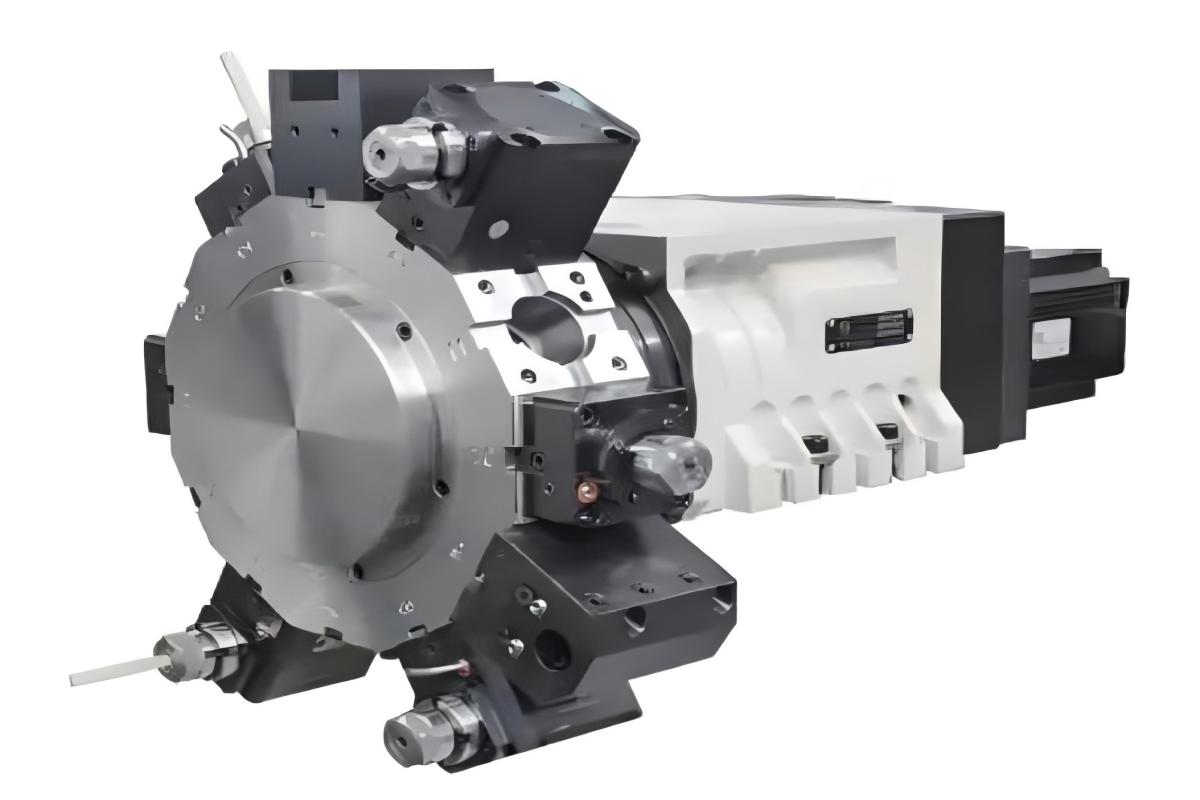
Why do traditional fixes fail?
Because they often skip the root cause. Short-term repairs are cheap now and expensive later. We need diagnostics that catch intermittent faults and process checks that prevent repeat errors.
What’s next — new principles and practical metrics for better uptime
Looking forward, I prefer to frame solutions around new technology principles rather than one-off hacks. For example, combining better sensor data with smarter control rules reduces blind repairs. When shops add basic condition monitoring, they get early warnings about bearing wear or tool imbalance. When that data ties into tooling logs and CAM settings, we can prevent a bad cut long before it becomes a broken part. For people searching for hands-on help, typing cnc milling services near me should point you to providers who do both maintenance and process tuning. I like a semi-formal approach here: practical plans, measurable steps, no hype.
New systems are not silver bullets — they require setup and discipline. Still, when I compare a reactive shop to one that uses simple condition checks, the difference is clear. The latter runs longer between interventions and recovers faster after an issue. You’ll see fewer emergency calls, better tool life, and steadier cycle times. — and that matters. Adopt small, testable changes first: a basic vibration monitor, consistent CAM post settings, and documented tooling offsets. These moves compound. They save time, cut scrap, and rebuild confidence on the floor.
What should you measure?
Before you pick a vendor or a tool, ask for numbers. Ask for how they measure improvement. Then compare.
Practical close — three metrics to evaluate any CNC service partner
I’ll end with three clear metrics I use when choosing partners or tools. These are simple to check, and they tell you more than glossy brochures ever will:
1) Mean Time to Repair (MTTR) — How fast can they restore a machine to full production? I prefer partners who log and report MTTR after each call. If they can’t show numbers, they’re guessing. 2) First-Time-Fix Rate — What portion of service visits solves the problem without follow-up? A high rate means good diagnostics and trained techs. 3) Process Improvement Outcomes — Do they measure reductions in scrap, tool usage, or cycle variation after tuning CAM and control settings? If a provider can show real improvements in these areas, they’re worth serious consideration.
I’ll be candid: I trust teams who combine hands-on skill with data. That balance beats flashy promises. If you want a partner who will actually help you run better, start with these metrics and ask to see recent examples. And if you need a starting point for professional service and process tuning, consider checking out Leichman. I’ve seen good work there — solid, measurable, and practical — and that’s the kind of help shops need most right now.