
The Packing Machine is one of the most important tools in modern industries, especially in food production, pharmaceuticals, chemicals, and manufacturing. A Packing Machine helps businesses package products quickly, efficiently, and consistently, which improves productivity and reduces manual labor.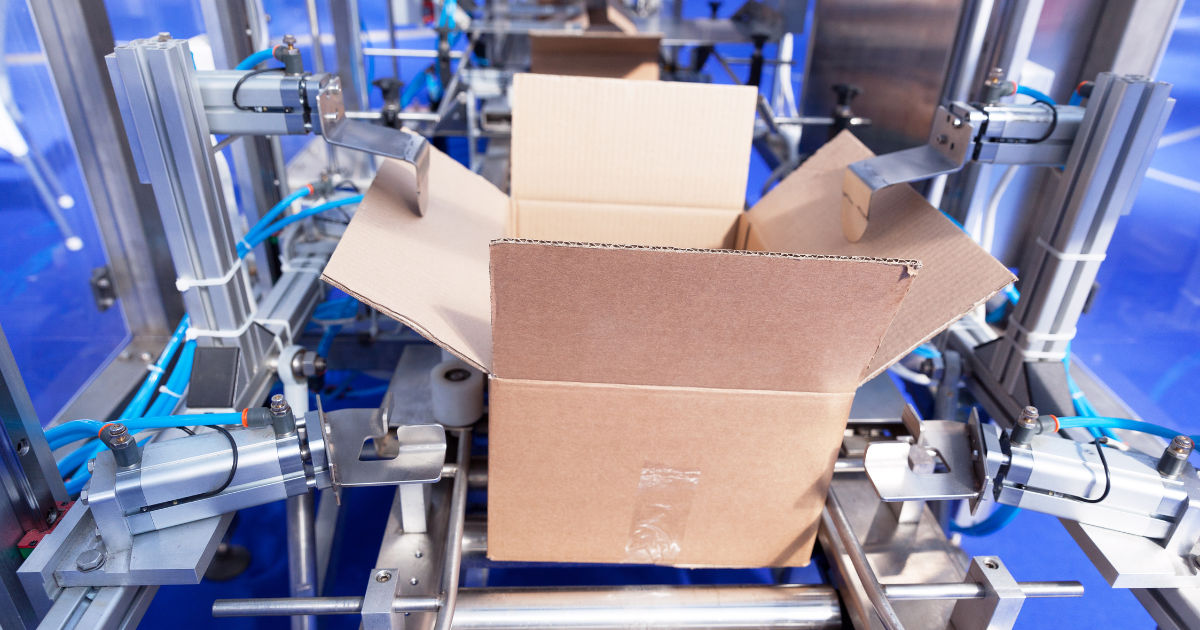
However, the use of a Packing Machine also comes with risks if safety is ignored. High-speed moving parts, electrical systems, heat sealing components, and automated controls make a Packing Machine powerful but potentially dangerous. That is why understanding safety is not optional—it is essential for every worker and manager involved with a Packing Machine.
In this guide, we will explore why safety is so important when working with a Packing Machine, what risks exist, and how proper safety measures can protect workers and improve efficiency. We will also look at training, maintenance, and future safety improvements in Packing Machine technology.
What Is Packing Machine Safety
Packing machine safety refers to all the rules, systems, and practices designed to protect workers while operating or maintaining a Packing Machine. A Packing Machine often includes moving belts, sealing jaws, cutting tools, sensors, and electrical panels.
Safety in a Packing Machine environment means preventing accidents such as burns, cuts, electric shocks, and entanglement in moving parts. A properly managed Packing Machine workplace ensures that machines are used correctly and hazards are minimized.
Without safety systems, a Packing Machine can become dangerous very quickly. That is why industries invest heavily in safety guards, emergency stop buttons, and automated sensors for every Packing Machine.
Why Safety Matters in Packing Machine Operations
Safety is the foundation of every successful Packing Machine operation. A safe environment ensures that workers can operate a Packing Machine without fear of injury.
One major reason safety matters is productivity. A well-protected Packing Machine reduces downtime caused by accidents. When a worker gets injured due to a Packing Machine, operations slow down or stop completely.
Another reason is cost reduction. Injuries from a Packing Machine can lead to medical expenses, legal issues, and repair costs. A safe Packing Machine system helps companies avoid these losses.
Finally, safety builds trust. Workers feel more confident when they know the Packing Machine they are using is safe and well-maintained.
Common Hazards in Packing Machine Use
A Packing Machine can present several hazards if not handled correctly. Understanding these risks is the first step toward prevention.
Mechanical Hazards
The moving parts of a Packing Machine can cause injuries such as pinching, crushing, or entanglement. Rollers, belts, and cutting tools inside a Packing Machine require proper guarding.
Electrical Hazards
Since a Packing Machine runs on electricity, there is always a risk of shocks or short circuits. Poor wiring or damaged components in a Packing Machine can be extremely dangerous.
Thermal Hazards
Many Packing Machine systems use heat for sealing packages. Direct contact with heated surfaces of a Packing Machine can cause burns.
Human Error
Most accidents involving a Packing Machine happen due to lack of training or carelessness. Incorrect handling of a Packing Machine increases risk significantly.
Maintenance Issues
A poorly maintained Packing Machine is more likely to fail or cause accidents. Regular inspection of a Packing Machine is essential.
Key Safety Features in Modern Packing Machine
Modern technology has made the Packing Machine much safer than before. Manufacturers now include advanced safety features in every Packing Machine design.
Emergency Stop Systems
Every modern Packing Machine includes an emergency stop button. This allows workers to shut down the Packing Machine immediately in case of danger.
Safety Guards and Covers
Physical barriers protect workers from moving parts of a Packing Machine. These guards prevent direct contact with dangerous areas inside a Packing Machine.
Sensor Technology
Sensors in a Packing Machine can detect foreign objects or human presence. When triggered, the Packing Machine automatically stops.
Automatic Shutdown Systems
If a fault is detected, the Packing Machine shuts down automatically to prevent damage or injury.
Warning Alarms
Visual and sound alarms in a Packing Machine alert workers when the machine is operating or malfunctioning.
Operator Training and Responsibilities
Proper training is essential for anyone working with a Packing Machine. Operators must understand how the Packing Machine works before using it.
Training includes learning startup procedures, shutdown steps, emergency handling, and daily inspection of the Packing Machine. A trained operator can identify risks before they become serious problems.
Responsibility is also important. Operators must never bypass safety features of a Packing Machine. Ignoring rules increases the risk of accidents.
Good training ensures that every Packing Machine is used safely and efficiently.
Maintenance and Inspection of Packing Machine
Regular maintenance is one of the most important safety practices for a Packing Machine. Without maintenance, even the best Packing Machine can become unsafe.
Daily Inspection
Before starting a Packing Machine, operators should check for loose parts, unusual sounds, or damaged components.
Scheduled Maintenance
A Packing Machine should undergo scheduled servicing to ensure all parts are working correctly. This includes lubrication, cleaning, and part replacement.
Electrical Checks
Wiring and control panels of a Packing Machine must be checked regularly to avoid electrical hazards.
Cleaning Procedures
Dust and product residue can affect the performance of a Packing Machine. Proper cleaning keeps the Packing Machine safe and efficient.
Workplace Safety Standards and Compliance
Every Packing Machine must follow industrial safety standards. These rules are designed to ensure that a Packing Machine operates safely in any environment.
Organizations such as OSHA and ISO provide guidelines for Packing Machine safety. These standards include proper guarding, training requirements, and emergency protocols for a Packing Machine.
Compliance is not optional. A business that ignores Packing Machine safety standards risks fines, shutdowns, and accidents.
Following regulations ensures that every Packing Machine in the workplace meets safety expectations.
How Automation Improves Packing Machine Safety
Automation has greatly improved Packing Machine safety. Automated systems reduce the need for human contact with dangerous parts of a Packing Machine.
Robotic arms and computerized controls allow a Packing Machine to operate with minimal human intervention. This reduces the risk of injury.
Smart sensors in a Packing Machine can detect errors instantly and stop operations before accidents happen.
Automation also improves consistency. A stable Packing Machine process reduces unexpected failures and improves overall safety.
Best Practices for Safe Packing Machine Handling
Following best practices ensures safe use of a Packing Machine in any workplace.
Operators should always wear protective gear when working near a Packing Machine. Gloves, goggles, and safety shoes reduce injury risks.
Never override safety systems of a Packing Machine. These systems exist to protect users.
Keep the area around a Packing Machine clean and organized to prevent accidents.
Only trained personnel should operate a Packing Machine.
Finally, always report issues immediately if a Packing Machine shows signs of malfunction.
Future of Packing Machine Safety Technology
The future of Packing Machine safety is focused on smart technology and artificial intelligence. Advanced systems will make the Packing Machine even safer.
AI-powered monitoring systems will predict failures in a Packing Machine before they happen. This allows preventive maintenance.
Improved sensors will make the Packing Machine more responsive to human presence.
Wireless control systems will reduce direct contact with the Packing Machine, improving safety further.
As technology advances, the Packing Machine will become more reliable, efficient, and safe for all users.
Conclusion
Packing machine safety is extremely important in modern industries because it protects workers, improves productivity, and reduces operational risks. A Packing Machine is powerful equipment, and without proper safety measures, it can become dangerous.
From training and maintenance to automation and compliance, every aspect of a Packing Machine plays a role in ensuring safety. Businesses that invest in proper safety systems for their Packing Machine not only protect their employees but also improve efficiency and reduce costs.
As technology continues to evolve, the Packing Machine will become even safer with smarter sensors and automated systems. However, human responsibility will always remain a key factor in ensuring safe operation of every Packing Machine.
In the end, safety is not just a requirement—it is a commitment that ensures every Packing Machine operates effectively and responsibly in any industrial environment.